






Volvo Cars Scraps Plan to Sell Only Electric Vehicles by 2030

Contents
Volvo Cars
Volvo Cars Scraps Plan to Sell Only Electric Vehicles by 2030
Sweden’s Volvo Cars, a prominent player in the automotive industry, has recently revised its ambitious goal of transitioning entirely to electric vehicles (EVs) by 2030. This decision marks a significant shift in the company’s strategy and reflects broader changes in the automotive market.
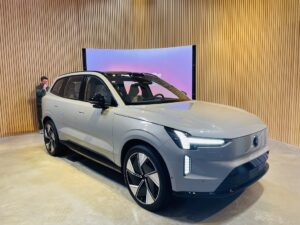
- Original Commitment
- In 2021, Volvo Cars committed to having a fully electric lineup by the end of the decade. This goal aimed to position the company as a leader in the transition to sustainable transportation. Volvo Cars
- Revised Targets
- Volvo Cars has now adjusted its target. Instead of going fully electric, the company aims for 90% to 100% of its vehicles sold by 2030 to be either fully electric or plug-in hybrid models. Up to 10% of the cars may include mild hybrid models. Volvo Cars
- Reasons for Change
- Market Conditions: Changing market dynamics and cooling demand for EVs have prompted Volvo Cars to adopt a more flexible approach.
- Infrastructure Challenges: The slow rollout of charging infrastructure and recent tariffs on EVs have created uncertainties in the market.
- Government Policies: There is a perceived need for more robust and stable government policies to support the transition to electric vehicles.
- Industry Context
- Volvo Cars follows other major automotive players like Mercedes-Benz and Volkswagen, who have also scaled back their EV strategies.
- Company’s Position
- Despite the revised target, Volvo Cars remains committed to electrification and sustainability. The company asserts that an electric car enhances the driving experience and allows for advanced technological integration. Volvo Cars
- Current Electrification Status
- As of the second quarter of 2024, Volvo Cars’ lineup includes 26% fully electric cars, the highest among its premium competitors. Electrified models, including EVs and plug-in hybrids, account for 48% of the lineup. Volvo Cars
Advantages
- Flexibility: The revised target allows Volvo Cars to adapt to changing market conditions and consumer preferences more effectively.
- Broader Appeal: By including mild hybrid models, Volvo Cars can cater to a wider audience and offer more options to consumers.
- Strategic Adaptation: The move demonstrates the company’s ability to reassess and adjust its strategy based on real-world challenges and uncertainties.
Disadvantages
- Market Perception: Abandoning the initial fully electric commitment may affect the company’s image as a leader in EV adoption.
- Competitive Positioning: Other automakers may continue to push forward with more aggressive electrification strategies, potentially placing Volvo Cars at a competitive disadvantage.
- Customer Confusion: The shift in strategy might confuse customers who were expecting a complete transition to electric vehicles.
Conclusion
Volvo Cars’ decision to abandon its plan of selling only electric vehicles by 2030 reflects a pragmatic approach to the challenges facing the automotive industry. While the revised targets allow for greater flexibility, they also highlight the complexities and uncertainties associated with the transition to sustainable transportation. The company remains committed to electrification but acknowledges the need for adaptable strategies in a rapidly evolving market.
FAQs
- Why did Volvo Cars change its electrification strategy?
- Volvo Cars revised its strategy due to changing market conditions, infrastructure challenges, and the need for more stable government policies supporting EVs.
- What is Volvo Cars’ new target for electric and hybrid vehicles by 2030?
- Volvo Cars aims for 90% to 100% of its cars sold to be fully electric or plug-in hybrids, with up to 10% allowed for mild hybrid models.
- How does this change compare to Volvo Cars’ previous commitment?
- Previously, Volvo Cars committed to having a fully electric lineup by 2030. The new target allows for a mix of electric, plug-in hybrid, and mild hybrid models.
- What percentage of Volvo Cars’ lineup is currently electric?
- As of the second quarter of 2024, 26% of Volvo Cars’ lineup consists of fully electric cars, and 48% includes electrified models (EVs and plug-in hybrids).
- What challenges has Volvo Cars faced in its electrification efforts?
- Volvo Cars has encountered challenges such as a slower-than-expected rollout of charging infrastructure, withdrawal of government incentives, and recent tariffs on EVs.













2 comments