






RBI Boosts UPI Limits and Keeps Key Interest Rate Steady at 6.5%

Contents
- 1 UPI limits 2024
- 1.1 RBI Boosts UPI Limits and Keeps Key Interest Rate Steady at 6.5%
- 1.1.1 UPI 123Pay and UPI Lite: Major Transaction Limit Increases
- 1.1.2 RBI’s Vision: Pioneering Digital Payment Solutions
- 1.1.3 Industry Reaction: A Step Forward for Financial Inclusion
- 1.1.4 UPI Lite: Revolutionizing Small Payments
- 1.1.5 Enhancing Security with Beneficiary Name Verification for RTGS and NEFT
- 1.1.6 Increasing UPI’s Role in Tax Payments
- 1.1.7 Conclusion:
- 1.1.8 FAQs:
- 1.1.8.1 1.What is the current RBI interest rate?
- 1.1.8.2 2.What changes have been made to UPI transaction limits?
- 1.1.8.3 3.How does UPI 123Pay benefit feature phone users?
- 1.1.8.4 4.What is the new per-transaction limit for UPI Lite?
- 1.1.8.5 5.What is the Beneficiary Name Look-up Facility for RTGS and NEFT?
- 1.1.8.6 6.Why did the RBI increase UPI tax payment limits?
- 1.1.8.7 7.How does UPI Lite simplify small transactions?
- 1.1.8.8 8.Who benefits from the increased UPI transaction limits?
- 1.1.8.9 9.What are the four technologies supporting UPI 123Pay?
- 1.1.8.10 10.How do these UPI changes impact financial inclusion in India?
- 1.2 UPI limits 2024
- 1.3 PSP Projects Wins ₹249 Crore Contract for High-Rise Tower at GIFT City, Gujarat
- 1.1 RBI Boosts UPI Limits and Keeps Key Interest Rate Steady at 6.5%
UPI limits 2024
RBI Boosts UPI Limits and Keeps Key Interest Rate Steady at 6.5%
In a move that highlights the ongoing commitment to digital payment innovation and financial inclusion, the Reserve Bank of India (RBI) has once again maintained its key interest rate at 6.5%, marking the tenth consecutive hold. The announcement was made by RBI Governor Shaktikanta Das, underscoring the central bank’s cautious approach to monetary policy amidst evolving global economic conditions.
Alongside the interest rate decision, the RBI has also rolled out significant changes to its UPI (Unified Payments Interface) ecosystem, enhancing transaction limits for UPI 123Pay and UPI Lite, aiming to make digital payments even more accessible across diverse user groups in India.
UPI 123Pay and UPI Lite: Major Transaction Limit Increases
As part of its efforts to boost digital payments, the RBI has increased the per-transaction limit for UPI 123Pay from ₹5,000 to ₹10,000. This enhancement allows feature phone users to conduct larger transactions without the need for a smartphone or internet connection. Additionally, the UPI Lite wallet limit has been raised from ₹2,000 to ₹5,000, with a per-transaction cap now increased to ₹1,000, up from ₹500. These changes are designed to cater to both high-value and low-value transactions, broadening the scope of UPI usage across India.
RBI’s Vision: Pioneering Digital Payment Solutions
“UPI has dramatically transformed India’s financial landscape by making digital payments more accessible and inclusive through constant innovation. To continue driving UPI adoption, we’ve made two key enhancements: (i) raising the per-transaction limit for UPI 123Pay from ₹5,000 to ₹10,000, and (ii) increasing the UPI Lite wallet limit from ₹2,000 to ₹5,000, with the per-transaction limit going from ₹500 to ₹1,000,” said Governor Shaktikanta Das during the RBI’s latest monetary policy review.
These updates reflect the central bank’s dedication to fostering a cashless economy, ensuring that the UPI system remains a cornerstone of India’s digital financial ecosystem.

Industry Reaction: A Step Forward for Financial Inclusion
Industry leaders have welcomed the increase in UPI limits, viewing it as a game-changer for financial inclusion. Siddharth Maurya, Founder and Managing Director of Vibhavangal Anukulakara Private Limited, praised the move, emphasizing that the expanded limits will better serve the diverse needs of India’s user base.
Similarly, Raghunandan Saraf, Founder and CEO of Saraf Furniture, pointed out that these enhanced limits will enable feature phone users to handle larger transactions seamlessly. With UPI 123Pay leveraging four distinct technologies, feature phone users now have unprecedented access to high-value digital transactions, making UPI even more versatile.
UPI Lite: Revolutionizing Small Payments
The enhanced UPI Lite wallet, with its new ₹5,000 limit and ₹1,000 per-transaction cap, is expected to further streamline low-value, offline digital payments. This development simplifies everyday transactions and reduces the need for cash, particularly in rural and semi-urban areas where internet connectivity may be inconsistent.
“UPI 123Pay caters to India’s 400 million feature phone users, allowing them to make digital payments without needing a smartphone or internet connection. Users can set up UPI 123Pay by dialing *99#, selecting their bank, entering debit card details, and creating a UPI PIN, ensuring secure transactions even without internet access,” explained Mehul Mistry, Global Head of Strategy at Digital Financial Services & Partnerships.
For UPI Lite, Mistry noted that the wallet stores money directly on the user’s device, eliminating the need to access a bank server for each transaction, significantly simplifying the payment process.

Enhancing Security with Beneficiary Name Verification for RTGS and NEFT
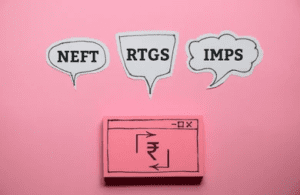
In a bid to strengthen security across digital transactions, the RBI also announced the introduction of a Beneficiary Account Name Look-up Facility for RTGS (Real-Time Gross Settlement System) and NEFT (National Electronic Funds Transfer). This feature, already available for UPI and IMPS, allows users to verify the recipient’s name before transferring funds, reducing errors and mitigating fraud risks.
“Currently, UPI and Immediate Payment Service (IMPS) provide users with the ability to confirm the recipient’s name before making a payment. Extending this feature to RTGS and NEFT systems will enable remitters to validate account holder names before initiating fund transfers, thereby minimizing errors and reducing fraud risk,” stated Governor Das.
Increasing UPI’s Role in Tax Payments
Governor Das also highlighted a notable change made in the August 2024 monetary policy statement: the increase of the UPI limit for tax payments from ₹1 lakh to ₹5 lakh. This measure will enable higher-value tax payments via UPI, enhancing the digitalization of the tax process in India.
Conclusion:
The Reserve Bank of India’s decision to hold the key interest rate at 6.5% reflects its balanced approach to macroeconomic stability. However, the true highlight of the policy announcement lies in the UPI transaction limit increases, particularly for UPI 123Pay and UPI Lite, which further boost financial inclusion and ease of use for millions of Indians. UPI limits 2024, By enhancing security with new beneficiary verification features and expanding UPI’s role in tax payments, the RBI is setting the stage for the next phase of digital payment adoption in the country.
FAQs:
1.What is the current RBI interest rate?
A. The RBI has maintained its key interest rate at 6.5%.
2.What changes have been made to UPI transaction limits?
A. The UPI 123Pay limit has been raised to ₹10,000, and the UPI Lite wallet limit has increased to ₹5,000.
3.How does UPI 123Pay benefit feature phone users?
A. UPI 123Pay allows users without smartphones or internet access to make digital payments via feature phones.
4.What is the new per-transaction limit for UPI Lite?
A. The per-transaction limit for UPI Lite has been increased from ₹500 to ₹1,000.
5.What is the Beneficiary Name Look-up Facility for RTGS and NEFT?
A. This new feature allows users to verify the recipient’s name before transferring funds through RTGS and NEFT.
6.Why did the RBI increase UPI tax payment limits?
A. The UPI tax payment limit has been raised to ₹5 lakh to facilitate higher-value transactions and promote digital tax payments.
7.How does UPI Lite simplify small transactions?
A. UPI Lite stores money directly on the user’s device, making small offline transactions easier and faster.
8.Who benefits from the increased UPI transaction limits?
A. Both high-value and low-value transaction users benefit, including feature phone users and those conducting smaller payments.
9.What are the four technologies supporting UPI 123Pay?
A. UPI 123Pay uses IVR, app-based functionality, missed call, and proximity sound-based payments.
10.How do these UPI changes impact financial inclusion in India?
A. The enhancements allow more users, especially those in rural areas and without smartphones, to access digital payments easily.
UPI limits 2024
PSP Projects Wins ₹249 Crore Contract for High-Rise Tower at GIFT City, Gujarat













1 comment