






Union Budget 2024: Accelerating India’s Electric Vehicle Ambitions

Contents
- 1 Union Budget 2024
- 1.1 Union Budget 2024: Accelerating India’s Electric Vehicle Ambitions
- 1.1.1 Government’s Vision and Current Policies
- 1.1.2 Key Focus Areas in Budget 2024
- 1.1.3 Industry Reactions and Expectations
- 1.1.4 Impact on EV Adoption and Market Growth
- 1.1.5 Global Comparisons and Future Prospects
- 1.1.6 Conclusion
- 1.1.7 FAQS:
- 1.1.7.1 1. What is the target for electric vehicle sales set by the Indian government for 2030?
- 1.1.7.2 2. How does the FAME policy support India’s EV goals?
- 1.1.7.3 3. What are the key focus areas in the Union Budget 2024 for the EV sector?
- 1.1.7.4 4. What challenges does India’s EV infrastructure face, and how is the government addressing them?
- 1.1.7.5 5. How are industry players reacting to the government’s EV initiatives?
- 1.1.8 our assumption on this:
- 1.1.9 Who Will Gain:
- 1.1.10 Who May Lose:
- 1.2 Union Budget 2024
- 1.3 JSW Infra Share Price Drops 8% After Q1 Results: Is It a Good Buy? Here’s What Top Brokerages Recommend
- 1.1 Union Budget 2024: Accelerating India’s Electric Vehicle Ambitions
Union Budget 2024
Union Budget 2024: Accelerating India’s Electric Vehicle Ambitions
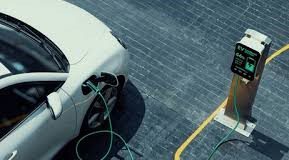
The forthcoming Union Budget 2024 is set to be a pivotal moment for India’s electric vehicle (EV) aspirations. Under the visionary leadership of Prime Minister Narendra Modi, the government aims for electric vehicles to constitute 30% of total auto sales by 2030. This ambitious target requires a comprehensive strategy, encompassing increased budget allocations, expanded EV infrastructure, and extended subsidy schemes. In this article, we will delve into the expected initiatives and their potential impact on India’s EV market.
Government’s Vision and Current Policies
The 2030 Target
The Narendra Modi government has set a clear target: by 2030, 30% of all vehicle sales in India should be electric. This vision is part of a broader strategy to reduce carbon emissions, decrease dependence on fossil fuels, and position India as a leader in sustainable mobility.
FAME Policy
India’s EV acceleration has been significantly supported by the Faster Adoption and Manufacturing of (Hybrid &) Electric Vehicles (FAME) policy. This policy, aimed at promoting electric two, three, and four-wheelers, could receive a substantial budgetary allocation of about Rs 10,000 crore in the upcoming budget.
Stakeholder Proposals
Stakeholders from the EV industry and the Ministry of Heavy Industry have proposed extending the EV subsidy scheme, with a focus on public electric transportation and the expansion of charging stations. These proposals are currently under consideration, with the Ministry of Heavy Industry having submitted a plan to the Prime Minister’s Office (PMO) for vetting.
Key Focus Areas in Budget 2024
Increased Budget Allocations
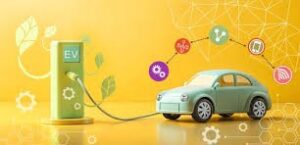
Experts anticipate that the Union Budget 2024 will feature increased allocations for EV infrastructure. This includes funding for charging stations, battery manufacturing facilities, and incentives for EV buyers.
Subsidy Schemes
Subsidy schemes are expected to be extended and possibly expanded. These subsidies play a crucial role in making electric vehicles more affordable for consumers, thus driving higher adoption rates.
Capital Expenditure Incentives
Stakeholders have also sought incentives for capital expenditure on EVs, increased depreciation rates on plant and machinery, and rationalized GST rates on EVs and their components. These measures are aimed at reducing the cost burden on manufacturers and encouraging investment in the EV sector.
Industry Reactions and Expectations
Automotive Component Manufacturers Association (ACMA)
ACMA President and CMD of Subros Ltd, Shradha Suri Marwah, expressed hope for a growth-oriented budget with continued emphasis on reforms and infrastructure development. She highlighted the positive impact of schemes like the Production Linked Incentive (PLI) on the automotive industry.
Tata Motors
Tata Motors, a major player in India’s EV market, expects policy continuity to help the industry become self-sufficient. Shailesh Chandra, Managing Director of Tata Motors Passenger Vehicles and Tata Motors Electric Mobility, emphasized the need for continued government support for EV penetration until a significant market share is achieved.
Charging Infrastructure
A significant barrier to widespread EV adoption in India is the lack of charging infrastructure. Ashish Bagadia, Partner at BDO India, stressed the importance of addressing the fundamental problems associated with setting up charging stations. He suggested classifying charging infrastructure under the infrastructure industry to reduce financing costs.
Impact on EV Adoption and Market Growth
Positive Trends in EV Sales
Despite the nascent development of EV infrastructure, there has been a significant increase in EV sales in India. According to the Federation of Automobile Dealers Associations (FADA), the overall sales of electric passenger vehicles jumped 91% year-on-year to 90,996 units in FY24, while retail sales of electric commercial vehicles tripled in the same period.
Addressing Infrastructure Costs
The high cost of setting up EV charging infrastructure remains a challenge. Batteries constitute 40% of the cost of EVs, and while government schemes like PLI have helped battery manufacturers, further measures such as accelerated depreciation benefits or tax exemptions could reduce the total cost of ownership.
Global Comparisons and Future Prospects
Learning from China
India is not yet a hub for EV battery manufacturing, unlike China, which dominates the sector globally. To bridge this gap, the government has implemented policy initiatives and fostered collaborations between Indian and international firms to set up production facilities. .Long-term policy and regulatory support are essential to promote adoption and growth in the EV sector.
Budget Allocations and Policy Support
In February 2024, Finance Minister Nirmala Sitharaman allocated nearly Rs 2,671 crore for the FAME scheme during the interim budget announcement. The details of this allocation are expected to be elaborated in the main budget in July 2024, providing further clarity and support for India’s EV industry.
Conclusion
The Union Budget 2024 holds the potential to significantly accelerate India’s electric vehicle ambitions. With targeted budget allocations, extended subsidy schemes, and strategic policy support, the government aims to create a conducive environment for EV adoption. As India moves towards achieving its 2030 target, the upcoming budget will play a crucial role in shaping the future of sustainable mobility in the country. Stakeholders and industry players are hopeful that the government’s initiatives will provide the necessary boost to make India a global leader in the electric vehicle market.












Post Comment