






Tax-Efficient Investing with Mutual Funds

Contents
Tax-Efficient Investing
Tax-Efficient Investing with Mutual Funds
Investing is not just about choosing the right assets; it’s also about maximizing your returns by minimizing unnecessary costs, including taxes. In the world of investments, taxes can significantly erode your profits if not managed effectively. This is where tax-efficient investing comes into play.
Among various investment options, mutual funds are a popular choice for both novice and experienced investors. However, mutual funds come with tax implications that, if not managed properly, can reduce your investment returns. This article will provide a clear-cut explanation of tax-efficient investing with mutual funds, discussing strategies, benefits, and examples. We’ll also cover the advantages and disadvantages of tax-efficient mutual fund investing and how you can implement it in your portfolio.

What is Tax-Efficient Investing?
Tax-efficient investing refers to strategies designed to minimize the impact of taxes on your investment returns. It involves selecting investment vehicles and using certain strategies that help reduce the tax burden while maximizing after-tax returns.
The concept of tax-efficient investing is especially important for long-term investors. Over time, taxes on dividends, capital gains, and distributions can eat into your investment profits. By strategically managing where and how you invest, you can significantly reduce your tax liability.
What Are Mutual Funds?
Mutual funds are investment vehicles that pool money from various investors to invest in a diversified portfolio of stocks, bonds, or other securities. The fund is managed by professional fund managers who aim to provide returns to investors.
Mutual funds can be categorized into:
- Equity Mutual Funds: Invest in stocks.
- Debt Mutual Funds: Invest in bonds and other fixed-income securities.
- Hybrid Mutual Funds: Invest in a mix of both stocks and bonds.
The primary benefit of mutual funds is diversification, which reduces risk. However, mutual funds are not free from tax implications, making it crucial to consider tax-efficient strategies.
How Taxes Impact Mutual Fund Investments
Mutual funds are subject to various taxes, which can erode your investment returns if not managed properly. Understanding these taxes is crucial for tax-efficient investing.
- Capital Gains Tax
When mutual funds sell securities for a profit, they incur capital gains. These gains are passed on to investors in the form of capital gains distributions, which are subject to tax.
- Short-Term Capital Gains: If a mutual fund sells an asset it has held for less than a year, the gain is considered short-term and taxed at ordinary income tax rates.
- Long-Term Capital Gains: If the asset is held for more than a year, the gain is taxed at a lower rate, typically 0%, 15%, or 20%, depending on your income bracket.
- Dividend Income
Dividends received from mutual fund holdings are subject to tax. Dividends can be either qualified or non-qualified.
- Qualified Dividends: Taxed at a lower long-term capital gains rate.
- Non-Qualified Dividends: Taxed at regular income tax rates.
- Interest Income
Mutual funds that hold bonds and other fixed-income securities generate interest income, which is taxable at ordinary income tax rates.
- Tax on Mutual Fund Distributions
Mutual funds often make annual distributions of capital gains, dividends, and interest. Even if you reinvest these distributions, they are subject to taxation in the year they are received.
Tax-Efficient Strategies for Investing in Mutual Funds
Here are some key strategies to make your mutual fund investments more tax-efficient:
- Invest in Tax-Efficient Mutual Funds
Some mutual funds are designed specifically for tax efficiency. These funds aim to minimize taxable events, such as frequent trading, which leads to capital gains distributions. Examples of tax-efficient funds include index funds and exchange-traded funds (ETFs).
- Index Funds: Since index funds track a specific index and do not frequently buy or sell securities, they tend to generate fewer taxable events, making them more tax-efficient than actively managed funds.
- ETFs: Similar to index funds, ETFs are tax-efficient due to their unique structure, which minimizes capital gains distributions.
- Hold Funds in Tax-Advantaged Accounts
One of the most effective ways to invest tax-efficiently is to hold your mutual funds in tax-advantaged accounts. These include:
- Individual Retirement Accounts (IRAs): Contributions to traditional IRAs are tax-deductible, and investments grow tax-deferred. Roth IRAs, on the other hand, provide tax-free growth, as contributions are made with after-tax dollars.
- 401(k) Accounts: Contributions to 401(k) accounts are tax-deferred, meaning you won’t pay taxes on investment gains until you withdraw funds in retirement.
- Practice Tax-Loss Harvesting
Tax-loss harvesting involves selling investments that have lost value to offset the taxes on your capital gains. For example, if you have a mutual fund with a significant loss, you can sell it to generate a tax loss, which can be used to offset other gains or even reduce taxable income by up to $3,000 per year.
You can repurchase the same investment after 30 days to avoid the IRS’s “wash sale” rule, which disallows claiming a loss if the same investment is repurchased within 30 days.
- Focus on Long-Term Investments
The key to tax-efficient investing is focusing on long-term growth. By holding your investments for longer than a year, you qualify for lower long-term capital gains tax rates. This can significantly reduce your tax burden compared to frequent trading, which triggers higher short-term capital gains taxes.
- Reinvest Dividends in Tax-Advantaged Accounts
If you’re reinvesting dividends, consider doing so in a tax-advantaged account like an IRA or 401(k). This allows you to avoid paying taxes on dividends until you withdraw the funds in retirement.

Advantages of Tax-Efficient Investing with Mutual Funds
- Maximize After-Tax Returns
The most significant advantage of tax-efficient investing is maximizing after-tax returns. By minimizing taxable events and holding investments in tax-advantaged accounts, you can keep more of your investment gains.
- Compounding Over Time
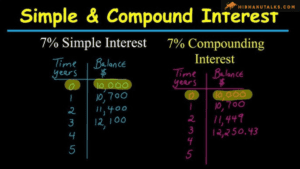
By deferring taxes on your investments, you allow them to grow without the drag of annual taxes, leading to compounding—a powerful force that accelerates growth over time.
- Better Retirement Planning
Tax-efficient investing is particularly important for retirement planning. By minimizing taxes, you can stretch your retirement savings further, allowing you to withdraw less from your nest egg.
- Lower Stress from Tax Liabilities
Tax-efficient investing can reduce the stress and complexity of tax season. By focusing on strategies that reduce taxable events, you can simplify your tax filings and avoid unexpected tax bills.
Disadvantages of Tax-Efficient Investing with Mutual Funds
- Limited Investment Choices
Tax-efficient mutual funds, like index funds and ETFs, may limit your investment choices. Actively managed funds often have the potential for higher returns, but they tend to be less tax-efficient due to frequent trading.
- Opportunity Cost in Tax-Advantaged Accounts
Holding mutual funds in tax-advantaged accounts, such as IRAs or 401(k)s, can provide tax benefits, but it also comes with limitations. Withdrawals from these accounts before retirement age may incur penalties, limiting access to your funds in the short term.
- Risk of Wash Sale Rule in Tax-Loss Harvesting
Tax-loss harvesting can be an effective strategy, but it requires careful attention to the IRS’s wash sale rule. Violating this rule by repurchasing the same investment within 30 days can disqualify your tax loss.
- Lower Flexibility with Long-Term Holdings
Tax-efficient investing often involves holding investments for the long term. This strategy may reduce flexibility, as selling investments early can trigger higher short-term capital gains taxes.
Examples of Tax-Efficient Mutual Funds
Let’s look at a few examples of tax-efficient mutual funds:
- Vanguard Total Stock Market Index Fund (VTSAX)
This index fund is highly tax-efficient due to its low turnover rate. Since it tracks the entire U.S. stock market, it has fewer taxable events compared to actively managed funds.
- iShares Core S&P 500 ETF (IVV)
As an ETF, this fund is structured to minimize capital gains distributions. It tracks the S&P 500 and is a popular choice for tax-conscious investors.
- Fidelity Tax-Free Bond Fund (FTABX)
This bond fund invests in municipal bonds, which are exempt from federal taxes. For investors in higher tax brackets, tax-free bond funds can provide significant tax savings.
Conclusion
Tax-efficient investing with mutual funds is a strategy that can significantly boost your after-tax returns, especially over the long term. By understanding the tax implications of mutual funds and implementing key strategies like using tax-efficient funds, investing in tax-advantaged accounts, practicing tax-loss harvesting, and focusing on long-term investments, you can minimize the tax burden on your portfolio.
The advantages of tax-efficient investing are clear: maximized after-tax returns, the power of compounding, and better retirement planning. However, it’s important to be aware of the disadvantages, such as limited investment choices and reduced flexibility.
Ultimately, tax-efficient investing requires careful planning and a long-term perspective, but the potential benefits make it a worthwhile approach for any serious investor.

FAQs
- What is the most tax-efficient type of mutual fund?
Index funds and ETFs are among the most tax-efficient types of mutual funds because they have lower turnover rates and fewer taxable events compared to actively managed funds.
- How can I reduce taxes on my mutual fund investments?
You can reduce taxes on your mutual fund investments by holding them in tax-advantaged accounts, practicing tax-loss harvesting, and focusing on long-term investments to qualify for lower capital gains tax rates.
- Are bond mutual funds tax-efficient?
Bond mutual funds, especially those that invest in municipal bonds, can be tax-efficient because the interest income is often exempt from federal taxes. However, corporate bond funds are typically less tax-efficient due to taxable interest income.
- Should I reinvest dividends in a taxable account?
Reinvesting dividends in a taxable account can lead to taxable events each year. To avoid this, consider reinvesting dividends in a tax-advantaged account like an IRA or 401(k).
- Is tax-loss harvesting worth the effort?
Tax-loss harvesting can be a highly effective strategy to offset capital gains and reduce taxable income. However, it requires careful planning to avoid the IRS wash sale rule.












1 comment