






Introduction to Stock Market Volatility: Understanding the Ups and Downs
Contents
- 1 Stock Market Volatility
- 1.1 Introduction to Stock Market Volatility: Understanding the Ups and Downs
- 1.1.1 What is Stock Market Volatility?
- 1.1.2 Causes of Stock Market Volatility
- 1.1.3 Measuring Stock Market Volatility
- 1.1.4 The Impact of Volatility on Investors
- 1.1.5 Strategies for Managing Stock Market Volatility
- 1.1.6 Psychological Aspects of Dealing with Volatility
- 1.1.7 Conclusion:
- 1.1.8 FAQs:
- 1.1.8.1 1.What is stock market volatility?
- 1.1.8.2 2.How is volatility measured in the stock market?
- 1.1.8.3 3.What causes stock market volatility?
- 1.1.8.4 4.Is volatility good or bad for investors?
- 1.1.8.5 5.How can I manage volatility in my investment portfolio?
- 1.1.8.6 6.What is the VIX Index?
- 1.1.8.7 7.How does diversification help in managing volatility?
- 1.1.8.8 8.What is dollar-cost averaging?
- 1.1.8.9 9.Can I profit from market volatility?
- 1.1.8.10 10.How should I handle emotional stress during volatile markets?
- 1.2 Stock Market Volatility
- 1.3 The Basics of Fundamental Analysis: A Deep Dive into Financial Evaluation
- 1.1 Introduction to Stock Market Volatility: Understanding the Ups and Downs
Stock Market Volatility
Introduction to Stock Market Volatility: Understanding the Ups and Downs
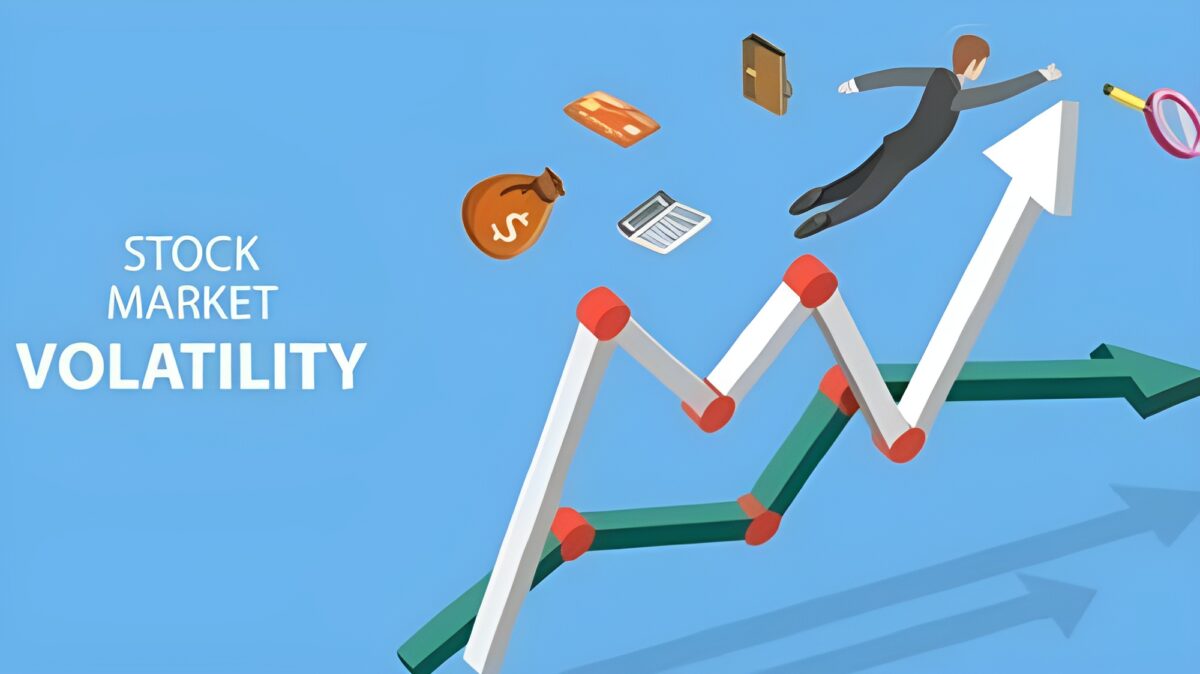
Stock market volatility is a fundamental concept that every investor must understand. It refers to the rapid and unpredictable changes in stock prices, often driven by various economic, political, and psychological factors. While volatility can present opportunities for significant gains, it also comes with increased risks. This guide will introduce you to the concept of stock market volatility, explore its causes and effects, and provide strategies for managing and profiting from it.

What is Stock Market Volatility?
Stock market volatility refers to the degree of variation in the price of a stock or a market index over a certain period. High volatility means that the price of a stock can change dramatically in a short time in either direction, while low volatility indicates more stable prices. Volatility is often measured using statistical metrics such as the standard deviation or variance of returns.
In simpler terms, volatility is the measure of how much a stock’s price swings around its average price. A highly volatile stock can see sharp price increases or decreases in a short time, whereas a less volatile stock’s price tends to be more stable.
Causes of Stock Market Volatility
Several factors can contribute to stock market volatility, including:
1. Economic Data and Indicators
Economic reports such as GDP growth, employment rates, and inflation figures can influence investor sentiment and cause volatility. For example, better-than-expected GDP growth may lead to a stock market rally, while disappointing job numbers could trigger a sell-off.

2. Company-Specific News
Announcements related to earnings, mergers, acquisitions, or leadership changes can cause significant price swings in individual stocks. Positive news can drive prices up, while negative news can lead to sharp declines.
3. Global Events
Geopolitical tensions, natural disasters, or pandemics can cause uncertainty in the markets, leading to increased volatility. For instance, the COVID-19 pandemic caused unprecedented market volatility due to its global economic impact.
4. Market Sentiment
Investor behavior, driven by fear or greed, can amplify market volatility. Panic selling or exuberant buying can cause prices to fluctuate wildly, often leading to overreaction in the market.
5. Interest Rates
Changes in interest rates by central banks can also lead to market volatility. Higher interest rates can reduce the attractiveness of stocks, leading to sell-offs, while lower rates can spur buying activity.

Measuring Stock Market Volatility
Volatility is commonly measured using the following tools:
1. VIX Index
The VIX Index, also known as the “Fear Gauge,” measures market expectations of near-term volatility conveyed by S&P 500 index option prices. A higher VIX indicates that investors expect more volatility in the market.
2. Standard Deviation
Standard deviation is a statistical measure that quantifies the amount of variation or dispersion of a set of data values. In the context of stocks, a higher standard deviation means higher volatility.
3. Beta
Beta is a measure of a stock’s volatility in relation to the overall market. A beta of 1 indicates that the stock moves with the market, a beta greater than 1 means the stock is more volatile than the market, and a beta less than 1 indicates less volatility.

The Impact of Volatility on Investors
Volatility can have both positive and negative effects on investors:
Positive Impact:
- Opportunities for Gains: High volatility can create opportunities for traders to make significant profits by buying low and selling high.
- Price Discovery: Volatility helps in the accurate pricing of stocks by incorporating all available information, ensuring that prices reflect true value.
Negative Impact:
- Increased Risk: With higher volatility, the potential for losses increases, especially for short-term traders.
- Emotional Stress: High volatility can lead to emotional trading, causing investors to make irrational decisions based on fear or greed.

Strategies for Managing Stock Market Volatility
Investors can use various strategies to manage and profit from volatility:
1. Diversification
Diversifying your portfolio across different asset classes, sectors, and geographic regions can reduce the impact of volatility. By spreading risk, you can protect your portfolio from significant losses.
2. Dollar-Cost Averaging
Dollar-cost averaging involves investing a fixed amount of money at regular intervals, regardless of the market conditions. This strategy helps reduce the impact of volatility by spreading out your investments over time.
3. Use of Stop-Loss Orders
A stop-loss order is an order placed with a broker to buy or sell once the stock reaches a certain price. This can help limit potential losses in a volatile market.
4. Hedging with Options
Options strategies like buying puts or selling covered calls can be used to hedge against volatility. These strategies can protect your portfolio from downside risk while still allowing for upside potential.
5. Staying Informed
Keeping up with market news and economic indicators can help you anticipate and react to market volatility. Understanding the reasons behind market movements can lead to better investment decisions.

Psychological Aspects of Dealing with Volatility
Investing in a volatile market can be stressful, but maintaining a disciplined approach can help manage emotions:
- Stay Calm: Avoid making hasty decisions based on short-term market movements. Focus on your long-term investment goals.
- Stick to Your Plan: Having a well-thought-out investment strategy and sticking to it can help you navigate through periods of high volatility.
- Avoid Market Timing: Trying to time the market can lead to missed opportunities and increased stress. Instead, focus on maintaining a diversified portfolio.
Conclusion:
Stock market volatility is an inherent part of investing. While it can be daunting, understanding its causes, impacts, and how to manage it can turn volatility into an opportunity rather than a threat. By adopting strategies such as diversification, dollar-cost averaging, and hedging, investors can navigate through volatile markets with confidence. Remember, the key to successful investing in volatile markets is staying informed, disciplined, and focused on your long-term goals.
FAQs:
1.What is stock market volatility?
A. Stock market volatility refers to the rapid and unpredictable changes in stock prices over a short period.
2.How is volatility measured in the stock market?
A. Volatility is commonly measured using tools like the VIX Index, standard deviation, and beta.
3.What causes stock market volatility?
A. Volatility can be caused by economic data, company-specific news, global events, market sentiment, and changes in interest rates.
4.Is volatility good or bad for investors?
A. Volatility can present both opportunities for gains and increased risks, depending on how it’s managed.
5.How can I manage volatility in my investment portfolio?
A. Strategies include diversification, dollar-cost averaging, using stop-loss orders, hedging with options, and staying informed.
6.What is the VIX Index?
A. The VIX Index, also known as the “Fear Gauge,” measures market expectations of near-term volatility based on S&P 500 index options.
7.How does diversification help in managing volatility?
A. Diversification spreads risk across different assets, reducing the impact of volatility on your portfolio.
8.What is dollar-cost averaging?
A. Dollar-cost averaging is a strategy where you invest a fixed amount of money at regular intervals, regardless of market conditions.
9.Can I profit from market volatility?
A. Yes, volatility can create opportunities for buying low and selling high, but it also comes with increased risk.
10.How should I handle emotional stress during volatile markets?
A. Stay calm, stick to your investment plan, and avoid making hasty decisions based on short-term market movements.












4 comments