





Competition Commission of India Approves Rs 70,350-Crore Reliance Industries-Disney Merger
Contents
Reliance Industries-Disney merger
Competition Commission of India Approves Rs 70,350-Crore Reliance Industries–Disney Merger
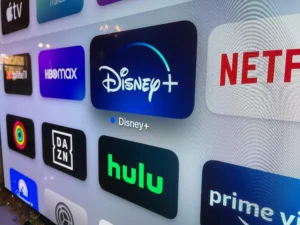
The Competition Commission of India (CCI) approved a significant merger between Reliance Industries and Disney’s Indian media assets, valued at ₹70,350 crores. This merger aims to create India’s largest entertainment entity, which will compete with global giants like Sony, Netflix, and Amazon by offering 120 TV channels and two streaming services. The approval, however, is subject to certain voluntary modifications proposed by the merging parties.
- Regulatory Approval:
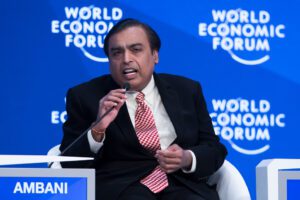
The CCI’s approval was crucial, given the merger’s potential to reshape India’s entertainment landscape. This regulatory nod came just before Mukesh Ambani, Chairman of Reliance Industries, was expected to address shareholders at the company’s Annual General Meeting (AGM). Ambani’s announcements at the AGM were anticipated to include significant updates about Reliance’s ventures, including Jio and Reliance Retail.
- Voluntary Modifications: The CCI approved the merger on the condition that the parties comply with certain voluntary modifications. These modifications, though not publicly disclosed, were likely proposed to address concerns about the merger’s potential impact on competition, especially in the sports broadcasting sector.
- Concerns and Concessions: The CCI had expressed concerns regarding the merged entity’s potential dominance over cricket broadcasting rights in India, which could negatively impact advertisers. To alleviate these concerns, Reliance and Disney committed to not raising advertising rates unreasonably for streamed cricket matches and not bundling advertising slots for different cricket tournaments. These concessions were aimed at ensuring fair competition and preventing the merged entity from exploiting its market dominance.
4.Future Steps: While the CCI has given its approval, the merger still requires clearance from an Indian companies tribunal, which is expected to be granted within six months. This tribunal’s approval is necessary for the merger to be fully completed.
- Strategic Impact: Once completed, the merger will position the combined entity as a dominant force in Indian entertainment. In addition to cricket rights, the merged entity will control broadcasting rights for prestigious events like the Wimbledon tennis championship, MotoGP, and the English Premier League. The deal will also enhance Reliance’s media presence, which already includes a majority stake in Viacom18.
Advantages of the Merger
- Market Dominance:
- The merger will create the largest entertainment entity in India, allowing Reliance-Disney to dominate the market and compete effectively against global players like Netflix and Amazon.
- Increased Bargaining Power:
- The merged entity will have significant control over premium sports broadcasting rights, which could provide substantial leverage in negotiations with advertisers and content distributors.
- Enhanced Consumer Offerings:
- With access to a vast array of TV channels and streaming services, consumers will benefit from a wider variety of entertainment options, potentially leading to better content quality and viewing experiences.
- Synergy and Cost Efficiency:
- The merger is expected to generate significant synergies, leading to cost savings in content production, distribution, and marketing, which could ultimately benefit shareholders.
- Global Competitiveness:
- The merger will enhance the global competitiveness of the Indian entertainment industry, potentially attracting more investment and fostering innovation.
Disadvantages of the Merger
- Potential Monopoly:
- The merger could lead to a monopoly in the sports broadcasting sector, particularly in cricket, which might stifle competition and limit choices for advertisers and consumers.
- Risk of Price Hikes:
- Despite the companies’ commitment to not raise advertising rates unreasonably, there is a risk that the merged entity could eventually increase prices for consumers, particularly for premium content like sports.
- Regulatory Scrutiny:
- The merger will likely face ongoing regulatory scrutiny to ensure compliance with competition laws, which could lead to operational challenges and legal expenses.
- Cultural and Content Diversity:
- The dominance of a single entity could lead to homogenization of content, potentially reducing cultural and content diversity in Indian entertainment.
- Operational Integration Challenges:
- Merging two large entities with different corporate cultures and operational structures could pose significant integration challenges, potentially leading to disruptions in service and employee morale.

Conclusion
The ₹70,350-crore merger between Reliance Industries and Disney’s Indian media assets marks a transformative moment in India’s entertainment industry. The merger is set to create a dominant entertainment giant with the potential to reshape the market landscape. However, it also raises concerns about potential monopolistic practices and the impact on competition. The success of this merger will largely depend on the regulatory oversight and the merged entity’s ability to balance market power with consumer interests.
FAQs
Q1: What is the significance of the Reliance Industries-Disney merger?
- The merger will create India’s largest entertainment entity, significantly enhancing its ability to compete with global players like Netflix, Amazon, and Sony.
Q2: Why did the CCI impose voluntary modifications on the merger?
- The CCI imposed these modifications to address concerns about the potential dominance of the merged entity, particularly in the sports broadcasting sector, which could negatively impact competition and advertisers.
Q3: What are the potential benefits of this merger for consumers?
- Consumers could benefit from a wider variety of content and potentially better-quality entertainment offerings due to the synergies and resources of the merged entity.
Q4: What are the potential risks associated with this merger?
- Potential risks include the emergence of a monopoly in sports broadcasting, price hikes for premium content, and challenges in integrating the two companies’ operations.
Q5: What is the next step in the merger process?
- The merger still requires approval from an Indian companies tribunal, which is expected to be granted within the next six months, following which the merger will be completed.












1 comment