






Real Estate Investing for Beginners

Contents
- 1 Real Estate Investing for Beginners
- 2 Introduction
- 3 Understanding Real Estate Investing
- 4 Benefits of Real Estate Investing
- 5 Risks of Real Estate Investing
- 6 Steps to Start Investing in Real Estate
- 7 Building a Real Estate Portfolio
- 8 Common Mistakes to Avoid
- 9 Conclusion
- 10 FAQs
- 11 Real Estate Investing for Beginners
- 12 Financial Independence: A Detailed Guide to Achieving Financial Freedom
Real Estate Investing for Beginners
Introduction
Investing in real estate can be a lucrative way to build wealth and secure financial freedom. However, like any investment, it requires knowledge, strategy, and a clear understanding of the market. This comprehensive guide will provide you with the essential knowledge and tools to begin your journey into real estate investing.
Why Invest in Real Estate?
Real estate is a tangible asset that can provide consistent income and potential appreciation. Unlike stocks, which can be highly volatile, real estate offers more stability and a hedge against inflation.
Understanding Real Estate Investing
Before diving into the specifics, it’s crucial to understand what real estate investing entails.
Types of Real Estate Investments
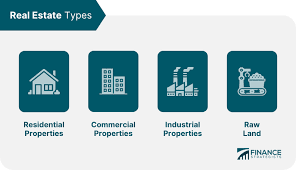
There are several types of real estate investments, each with its unique benefits and risks.
Residential Real Estate
This includes single-family homes, multi-family homes, and vacation properties. Residential real estate is often the starting point for beginners due to its familiarity and lower entry barriers.

Commercial Real Estate
Commercial properties include office buildings, retail spaces, warehouses, and industrial properties. These investments typically require more capital but can offer higher returns and longer lease terms.
REITs (Real Estate Investment Trusts)
REITs allow you to invest in real estate without owning physical properties. These trusts own and operate income-generating real estate and are traded like stocks on major exchanges.
Real Estate Crowdfunding
This is a relatively new method where multiple investors pool their money to invest in larger real estate projects. Crowdfunding platforms provide access to deals that would be otherwise unattainable for individual investors.
Benefits of Real Estate Investing
Real estate investing offers numerous advantages, making it an attractive option for building wealth.
Steady Cash Flow
Rental properties can provide a steady stream of income, which can be reinvested or used to cover living expenses. This cash flow is one of the main appeals of real estate investing.
Appreciation
Over time, real estate tends to increase in value. This appreciation can result in significant profits when you sell the property. Additionally, improvements and renovations can enhance a property’s value.
Tax Benefits
Real estate investors enjoy various tax benefits, including deductions for mortgage interest, property taxes, and depreciation. These benefits can significantly reduce your taxable income.
Leverage
Real estate allows you to leverage other people’s money (OPM) by using mortgages and loans to finance your investments. This leverage can amplify your returns and enable you to acquire more properties than you could with cash alone.

Risks of Real Estate Investing
While real estate investing has many benefits, it also comes with risks that need to be managed.
Market Risk
Real estate markets can fluctuate due to economic conditions, interest rates, and local supply and demand. Market downturns can reduce property values and rental income.
Tenant Risk
Dealing with tenants can be challenging. Late payments, vacancies, and property damage are common issues that can impact your cash flow and overall investment returns.
Liquidity Risk
Real estate is not as liquid as stocks or bonds. Selling a property can take time, and you may not always get the desired price. This lack of liquidity can be a drawback if you need quick access to cash.
Maintenance and Management
Properties require ongoing maintenance and management. This can be time-consuming and costly, especially if you own multiple properties or lack property management experience.

Steps to Start Investing in Real Estate
Starting your journey in real estate investing involves several key steps.
1. Set Clear Investment Goals
Determine your financial goals and investment strategy. Are you looking for steady rental income, long-term appreciation, or a combination of both? Setting clear goals will guide your investment decisions.
2. Educate Yourself
Knowledge is power in real estate investing. Read books, attend seminars, and follow reputable real estate blogs and podcasts. Understanding market trends, investment strategies, and financial analysis is crucial.
3. Build a Solid Financial Foundation
Ensure you have a strong financial foundation before investing. Pay off high-interest debt, save for a down payment, and maintain a good credit score. Lenders will assess your financial health when approving loans.
4. Choose the Right Market
Research different real estate markets to find the best investment opportunities. Consider factors such as population growth, employment rates, and local amenities. A thriving market can lead to higher property values and rental demand.

5. Analyze Potential Properties
Conduct thorough due diligence on potential properties. Evaluate factors such as location, condition, rental income potential, and expenses. Use tools like the 1% rule and cap rate to assess profitability.
6. Secure Financing
Explore different financing options, including conventional mortgages, FHA loans, and private lenders. Compare interest rates, loan terms, and qualification requirements to find the best fit for your investment strategy.
7. Make an Offer
When you find a suitable property, make an offer. Negotiate the price and terms to ensure a favorable deal. Be prepared to walk away if the numbers don’t align with your investment goals.
8. Conduct a Thorough Inspection
Hire a professional inspector to assess the property’s condition. Identify any potential issues that could affect its value or require costly repairs. Use the inspection report to negotiate repairs or price adjustments with the seller.
9. Close the Deal
Once you’ve negotiated the terms and completed the inspection, proceed to closing. Review all documents carefully and ensure you understand the terms of the purchase agreement. After closing, the property is officially yours.
10. Manage Your Property
Effective property management is crucial for long-term success. Decide whether you’ll manage the property yourself or hire a property management company. Regular maintenance, tenant screening, and timely rent collection are essential tasks.

Building a Real Estate Portfolio
As you gain experience, consider expanding your investments to build a diversified real estate portfolio.
Diversify Your Investments
Investing in different types of properties and markets can reduce risk and increase potential returns. Consider mixing residential and commercial properties and exploring different geographic locations.
Reinvest Profits
Reinvesting your rental income and profits from property sales can accelerate your portfolio growth. Use these funds to acquire additional properties or make improvements to existing ones.
Use Leverage Wisely
Leverage can amplify your returns, but it also increases risk. Use debt strategically and avoid over-leveraging. Ensure you have sufficient cash flow to cover mortgage payments and expenses.
Stay Informed
The real estate market is dynamic, and staying informed is crucial. Continuously educate yourself about market trends, regulatory changes, and new investment strategies. This knowledge will help you make informed decisions and adapt to changing conditions.

Common Mistakes to Avoid
Learning from the mistakes of others can save you time, money, and frustration.
Overestimating Rental Income
Be realistic about rental income potential. Overestimating can lead to cash flow problems and difficulty covering expenses. Conduct thorough market research to determine accurate rental rates.
Underestimating Expenses
Unexpected expenses can quickly erode your profits. Budget for maintenance, repairs, property management fees, and vacancies. Having a financial cushion can help you navigate these challenges.
Ignoring Due Diligence
Failing to conduct proper due diligence can result in costly surprises. Always research the property, market, and legal requirements thoroughly before making a purchase.
Overleveraging
While leverage can boost returns, excessive debt can lead to financial trouble. Ensure you have a healthy balance between debt and equity and maintain adequate cash reserves.
Neglecting Property Management
Effective property management is essential for maintaining property value and tenant satisfaction. Neglecting management tasks can lead to property deterioration and tenant turnover.

Conclusion
Real estate investing offers a pathway to financial independence and wealth building. By understanding the fundamentals, setting clear goals, and implementing effective strategies, you can succeed in this rewarding field. Remember, patience and persistence are key. With time and effort, you can build a profitable real estate portfolio and enjoy the benefits of financial freedom.
FAQs
1. How much money do I need to start investing in real estate?
The amount of money needed to start investing in real estate varies based on the market and type of property. Generally, you’ll need a down payment, closing costs, and a financial cushion for unexpected expenses. FHA loans require as little as 3.5% down, while conventional loans may require 20%.
2. Is real estate investing risky?
Like any investment, real estate comes with risks. Market fluctuations, tenant issues, and unexpected expenses can impact returns. However, with proper research, due diligence, and risk management, you can mitigate these risks.
3. Should I invest in residential or commercial real estate?
Both residential and commercial real estate have their advantages and disadvantages. Residential properties are often easier for beginners and provide consistent cash flow. Commercial properties can offer higher returns but require more capital and experience.
4. How do I finance my real estate investments?
There are several financing options for real estate investments, including conventional mortgages, FHA loans, private lenders, and real estate crowdfunding. The best option depends on your financial situation, credit score, and investment strategy.
5. What is a good rental property investment?
A good rental property investment is one that provides positive cash flow, is in a desirable location, and has potential for appreciation. Conduct thorough market research and financial analysis to identify profitable opportunities.












3 comments