






Mukesh Ambani Pays Tribute to Ratan Tata

Contents
Ratan Tata news
Mukesh Ambani Pays Tribute to Ratan Tata
Ratan Tata, one of India’s most iconic industrialists and former chairman of the Tata Group, passed away at the age of 86 on October 9, 2024, at Breach Candy Hospital, Mumbai. His death marks a significant loss to the nation, Indian industry, and the global business community. Mukesh Ambani, the chairman and managing director of Reliance Industries Ltd. (RIL), paid a heartfelt tribute to Tata, expressing his deep personal grief at the loss of a dear friend.
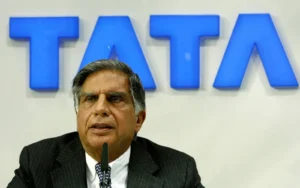
Key Points of Mukesh Ambani’s Tribute
- Personal Loss: Ambani highlighted the deep personal connection he shared with Tata, referring to him as a “dear friend” whose passing left him in “immense grief.”
- Inspiration: Ambani acknowledged how each interaction with Tata inspired him, deepening his respect for Tata’s values, nobility of character, and human-centered approach to business.
- Visionary Leadership: Tata was praised for his visionary leadership, taking India to the global stage and bringing international recognition to Indian businesses. Under Tata’s leadership, the group expanded 70-fold, and he was responsible for a series of landmark deals.
- Philanthropy: Ambani emphasized Tata’s role as a philanthropist who worked tirelessly for the greater good of society.
- Condolences: On behalf of Reliance, Ambani, his wife Nita, and the Ambani family, offered their condolences to the Tata family and the Tata Group.
Ratan Tata’s Legacy
Ratan Tata is credited with transforming the Tata Group from a traditional Indian company into a globally recognized conglomerate. He was chairman of the Tata Group for over two decades, overseeing its rise to prominence in sectors ranging from salt to software. His bold decisions, such as acquiring Jaguar Land Rover and Corus, helped put India on the map in the global business landscape. Tata’s legacy goes beyond business as he made significant contributions to society through philanthropy and humanitarian efforts.
Natarajan Chandrasekaran, the current chairman of the Tata Group, also bid farewell to Tata, calling him “a truly uncommon leader” whose immeasurable contributions helped shape not only the Tata Group but also India.

Advantages of Ratan Tata’s Leadership
- Global Expansion: Under Tata’s leadership, the Tata Group expanded globally, acquiring renowned international companies like Jaguar Land Rover and Corus, marking India’s presence in international business.
- Ethical Business Practices: Tata was known for his strong ethics and principles, ensuring that the Tata Group maintained a reputation for integrity and trustworthiness.
- Philanthropic Impact: Tata’s commitment to social causes and philanthropy helped improve the lives of millions of Indians through educational, healthcare, and community development programs.
- Innovation and Modernization: Tata modernized the group, focusing on innovation, technology, and sustainable business practices, which brought about monumental growth.
- Diverse Business Portfolio: Under his leadership, the Tata Group became a diversified conglomerate, with interests in automobiles, software, steel, chemicals, consumer products, and more.
Disadvantages and Challenges Faced by Tata’s Leadership
- Risky Acquisitions: Some of the international acquisitions, like Corus, faced criticism due to high costs and challenges in integrating the companies, putting pressure on Tata Group’s financials in the short term.
- Heavy Financial Liabilities: Acquiring large, global companies like Jaguar Land Rover and Corus increased the group’s debt levels, leading to financial strain during global downturns.
- Conservative Growth in Domestic Market: While focusing on global expansion, some felt that Tata’s leadership was slightly conservative in terms of aggressive growth within India.
- Management Conflicts: There were notable management challenges, including Tata’s dispute with Cyrus Mistry, his chosen successor, which led to a highly publicized legal battle and boardroom struggles.
- Economic Uncertainty: As with any large conglomerate, the Tata Group under Ratan Tata had to navigate challenges related to economic downturns, fluctuations in global demand, and changing industry landscapes.

Conclusion
The passing of Ratan Tata is a profound loss to India and the world. His contributions to the business world, philanthropy, and society at large were unmatched. Tata was not just a visionary leader but also a humanitarian who worked for the greater good of society. His transformative leadership brought global recognition to India’s industries, making Tata Group a symbol of trust, integrity, and progress. The legacy he leaves behind will continue to inspire generations to come.
FAQs
- What was Mukesh Ambani’s tribute to Ratan Tata? Mukesh Ambani expressed his deep personal grief at the loss of Ratan Tata, calling him a dear friend and an inspiring figure. Ambani highlighted Tata’s contributions to Indian industry and society, noting his visionary leadership and philanthropy.
- What were Ratan Tata’s major achievements? Ratan Tata is credited with transforming the Tata Group into a globally recognized conglomerate. His notable achievements include the acquisition of Jaguar Land Rover, Corus, and expanding the group’s international footprint.
- How did Ratan Tata impact India’s business landscape? Ratan Tata’s leadership brought international recognition to Indian businesses, showcasing that Indian companies could compete on the global stage. He also emphasized ethical business practices and philanthropic efforts, benefiting millions of Indians.
- What is Ratan Tata’s legacy in philanthropy? Beyond business, Ratan Tata was known for his commitment to philanthropy, working through the Tata Trusts to contribute to healthcare, education, and community development in India.
- How did Ratan Tata expand the Tata Group? During his tenure as chairman, the Tata Group grew over 70 times in size. He led several international acquisitions, modernized the company, and expanded into various sectors, making it a global leader in multiple industries.
- What challenges did Ratan Tata face during his leadership? Ratan Tata faced challenges such as high debt from acquisitions, integration issues with international companies, and a public dispute with Cyrus Mistry. Despite these challenges, his leadership is regarded as visionary and transformative.













Post Comment