






Mastering Personal Finance: Your Guide to Financial Freedom

Contents
- 1 Personal Finance Management
- 1.1 Mastering Personal Finance: Your Guide to Financial Freedom
- 1.1.1 What is Personal Finance Management?
- 1.1.2 Importance of Personal Finance Management
- 1.1.3 Foundations of Personal Finance
- 1.1.4 Debt Management
- 1.1.5 Investing for the Future
- 1.1.6 Building Credit
- 1.1.7 Insurance and Risk Management
- 1.1.8 Tax Planning
- 1.1.9 Financial Tools and Resources
- 1.1.10 Seeking Professional Help
- 1.1.11 Conclusion
- 1.1.12 FAQs
- 1.2 Personal Finance Management
- 1.3 Cryptocurrency Investment: Opportunities and Risks
- 1.1 Mastering Personal Finance: Your Guide to Financial Freedom
Personal Finance Management
Mastering Personal Finance: Your Guide to Financial Freedom
What is Personal Finance Management?
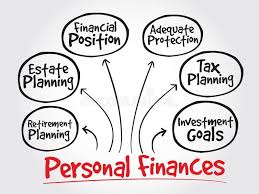
Personal finance management is all about understanding and controlling your money. It’s about knowing where your money comes from, where it goes, and how to make it work for you. Imagine your finances as a ship; personal finance management is the navigation system that ensures you stay on course, avoid financial storms, and reach your desired destinations.

Importance of Personal Finance Management
Why is personal finance management crucial? Well, it’s the foundation for achieving financial stability and security. Without it, you might find yourself constantly stressed about money, unable to save, or stuck in a cycle of debt. Managing your personal finances effectively can lead to financial freedom, allowing you to live the life you want without constantly worrying about money.
Foundations of Personal Finance
Budgeting Basics
Budgeting is the cornerstone of personal finance management. It’s the process of creating a plan for your money, outlining how much you will spend and save. Think of it as a financial roadmap that helps you navigate your income and expenses.
Setting Financial Goals
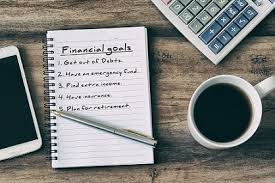
The first step in budgeting is setting financial goals. What do you want to achieve financially? This could be saving for a vacation, buying a house, or building an emergency fund. Setting clear, achievable goals gives you direction and motivation.
Tracking Income and Expenses
Next, you need to track your income and expenses. This involves keeping a record of every dollar you earn and spend. By doing this, you can identify areas where you might be overspending and find opportunities to save.
Saving Strategies
Saving money is essential for financial security. It provides a cushion for unexpected expenses and helps you achieve long-term financial goals.
Emergency Fund
An emergency fund is a savings account specifically for unexpected expenses, like medical bills or car repairs. Aim to save at least three to six months’ worth of living expenses in your emergency fund.
Long-term Savings
In addition to your emergency fund, you should also focus on long-term savings. This includes saving for retirement, a down payment on a house, or your children’s education.

Debt Management
Understanding Different Types of Debt
Not all debt is created equal. Understanding the different types of debt can help you manage it more effectively.
Good Debt vs. Bad Debt
Good debt is an investment that will grow in value or generate long-term income. Examples include student loans or a mortgage. Bad debt, on the other hand, refers to borrowing to purchase depreciating assets like cars or using credit cards for everyday expenses.
Strategies for Paying Off Debt
Paying off debt can feel overwhelming, but with the right strategy, it’s entirely manageable.
Debt Snowball Method
The debt snowball method involves paying off your smallest debts first, then using the money you were paying on those debts to tackle the next smallest, and so on. This method can give you quick wins and build momentum.
Debt Avalanche Method
The debt avalanche method focuses on paying off debts with the highest interest rates first. While it might take longer to see progress, you’ll save more money on interest in the long run.
Investing for the Future
Basics of Investing
Investing is a crucial part of personal finance management. It’s about making your money work for you by putting it into assets that can grow over time.
Types of Investments
There are various types of investments, including stocks, bonds, mutual funds, and real estate. Each type has its own risk and return profile, so it’s important to diversify your investments.
Risk Tolerance
Your risk tolerance is your ability and willingness to lose some or all of your original investment in exchange for greater potential returns. Understanding your risk tolerance can help you choose the right investments.
Retirement Planning
Planning for retirement is essential to ensure you have enough money to live comfortably when you stop working.
Importance of Starting Early
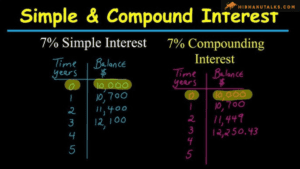
The earlier you start saving for retirement, the more time your money has to grow. Thanks to compound interest, even small contributions can grow significantly over time.
Types of Retirement Accounts
There are various types of retirement accounts, such as 401(k)s, IRAs, and Roth IRAs. Each has its own benefits and tax implications, so it’s important to choose the right one for your situation.
Building Credit
Understanding Credit Scores
Your credit score is a numerical representation of your creditworthiness. It affects your ability to get loans, credit cards, and even rent an apartment.
Factors Affecting Credit Scores
Several factors affect your credit score, including your payment history, the amount of debt you owe, the length of your credit history, and the types of credit you use.
Tips for Improving Your Credit Score
Improving your credit score takes time, but it’s definitely possible. Pay your bills on time, reduce your debt, and avoid applying for too much new credit at once.
Insurance and Risk Management
Importance of Insurance
Insurance is a critical component of personal finance management. It protects you from significant financial losses in case of unexpected events.
Types of Insurance
There are various types of insurance, including health, auto, home, and life insurance. Each type serves a different purpose and provides different types of coverage.
Risk Management Strategies
Risk management involves identifying potential risks and finding ways to mitigate them. This could include purchasing insurance, diversifying your investments, and maintaining an emergency fund.
Tax Planning
Basics of Tax Planning
Tax planning involves analyzing your financial situation to ensure you are paying the lowest amount of taxes possible.
Understanding Tax Brackets
Tax brackets determine the rate at which your income is taxed. Understanding how tax brackets work can help you plan your finances more effectively.
Tax Deductions and Credits
Tax deductions and credits can significantly reduce your tax liability. Deductions lower your taxable income, while credits reduce the amount of tax you owe.
Financial Tools and Resources
Useful Financial Tools
There are numerous tools available to help you manage your finances more effectively.
Budgeting Apps
Budgeting apps can help you track your income and expenses, set financial goals, and monitor your progress.
Financial Planning Software
Financial planning software can provide a comprehensive view of your financial situation, helping you make informed decisions about saving, investing, and spending.
Seeking Professional Help
Sometimes, it’s beneficial to seek help from financial professionals.
Financial Advisors
A financial advisor can provide personalized advice and help you create a financial plan tailored to your goals.
Accountants
An accountant can help you manage your finances, prepare your taxes, and provide advice on tax planning.
Conclusion
Recap of Personal Finance Management
Personal finance management is all about understanding and controlling your money. By budgeting, saving, managing debt, investing, building credit, and planning for taxes, you can achieve financial stability and security.
Importance of Continuous Learning
The world of personal finance is always evolving, so it’s important to stay informed and continue learning. This will help you make better financial decisions and achieve your goals.
FAQs
How can I start managing my personal finances?
Start by setting financial goals, tracking your income and expenses, and creating a budget. Focus on saving and managing your debt effectively.
What is the best way to save money?
The best way to save money is to create a budget, prioritize your savings, and cut unnecessary expenses. Consider setting up automatic transfers to your savings account.
How do I improve my credit score?
To improve your credit score, pay your bills on time, reduce your debt, and avoid applying for too much new credit. Regularly check your credit report for errors.
When should I start investing for retirement?
It’s never too early to start investing for retirement. The earlier you start, the more time your money has to grow through compound interest.
Is it necessary to hire a financial advisor?
While it’s not necessary, hiring a financial advisor can provide personalized advice and help you create a financial plan tailored to your goals. They can also help you navigate complex financial situations.











2 comments