






Long-Term vs. Short-Term Mutual Fund Investing: A Comprehensive Guide

Contents
Mutual Fund Strategy
Long-Term vs. Short-Term Mutual Fund Investing: A Comprehensive Guide
Mutual funds are one of the most popular investment vehicles, offering individuals the opportunity to invest in a diversified portfolio managed by professionals. However, when deciding on a mutual fund investment strategy, one key consideration is the time horizon: Should you focus on long-term or short-term mutual fund investing? Understanding the difference between these two approaches is crucial for maximizing returns and achieving your financial goals.
In this article, we’ll provide a detailed explanation of long-term versus short-term mutual fund investing, including their advantages, disadvantages, and real-world examples to help you make an informed decision.

Understanding Mutual Fund Investing
What is a Mutual Fund?
A mutual fund is a type of investment vehicle that pools money from many investors to purchase a diversified portfolio of stocks, bonds, or other securities. Mutual funds are managed by professional fund managers, who make decisions about where to invest the fund’s assets.
Types of Mutual Funds
- Equity Funds – These invest primarily in stocks and are considered high-risk, high-reward investments.
- Bond Funds – These focus on bonds and are generally less risky than equity funds but offer lower potential returns.
- Money Market Funds – These invest in short-term, low-risk securities, offering safety but very modest returns.
- Balanced Funds – These provide a mix of both stocks and bonds, aiming to balance risk and return.
What is Long-Term Mutual Fund Investing?
Definition
Long-term mutual fund investing refers to holding a mutual fund investment for an extended period, typically five years or more. The goal is to benefit from the power of compounding returns over time. In long-term investing, short-term market volatility is less of a concern because the investor is focused on the bigger picture: achieving substantial returns over a long period.
Types of Long-Term Mutual Funds
- Equity Mutual Funds – Since stocks historically perform well over the long term, equity mutual funds are a common choice for long-term investors.
- Index Funds – These track the performance of a market index like the S&P 500 and are often held for the long term to match the market’s overall growth.
- Target-Date Funds – Designed for retirement, these funds automatically adjust their asset allocation based on a target retirement year.
Advantages of Long-Term Mutual Fund Investing
- Power of Compounding
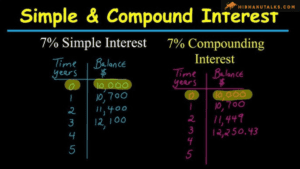
One of the biggest advantages of long-term investing is compounding. Compounding is the process where the returns on your investment generate more returns. The longer you hold your investment, the greater the potential for compound interest to grow your wealth. For example, an investor who earns 10% annually on a $10,000 investment will see their investment grow to $25,937 in 10 years.
- Tax Efficiency
Long-term mutual fund investments are usually more tax-efficient. In many countries, long-term capital gains (investments held for over a year) are taxed at a lower rate than short-term capital gains. This tax advantage can significantly boost your overall returns.
- Lower Transaction Costs
Frequent buying and selling of mutual funds can lead to higher transaction costs, including broker fees and commissions. Long-term investors save money by minimizing transactions and holding their investments over extended periods.
- Better Handling of Market Volatility
Markets tend to be volatile in the short term, but over the long term, they generally trend upwards. Long-term investors can ride out short-term fluctuations without panicking or selling at a loss. For example, the stock market crash of 2008 caused severe short-term losses, but investors who held their positions recovered and made significant gains in the years that followed.
- Aligned with Long-Term Financial Goals
Long-term mutual fund investing is well-suited for achieving long-term financial goals like retirement, buying a home, or funding a child’s education. Since these goals are years away, long-term investments provide the opportunity for steady growth.
Disadvantages of Long-Term Mutual Fund Investing
- Locked-In Capital
The biggest drawback of long-term investing is that your capital is tied up for an extended period. If you suddenly need money for an emergency, you may have to sell your investment at an inopportune time.
- Market Timing Risk
While long-term investing mitigates short-term volatility, there is always a risk of market downturns, which could diminish returns even after years of investing. For example, an investor who entered the market in 2007 may not have seen substantial returns until years after the 2008 crash.
- Opportunity Cost
By committing to a long-term investment strategy, you might miss out on short-term opportunities that could provide higher returns in certain market conditions.

What is Short-Term Mutual Fund Investing?
Definition
Short-term mutual fund investing involves holding investments for a relatively brief period, often less than three years. The focus is on quick gains from market fluctuations. Investors may choose short-term investing to meet immediate financial goals or to take advantage of short-term market opportunities.
Types of Short-Term Mutual Funds
- Money Market Funds – These are low-risk mutual funds that invest in short-term government or corporate debt.
- Short-Term Bond Funds – These focus on bonds that mature in one to three years, providing income with less risk than longer-term bonds.
- Liquid Funds – These are a type of mutual fund that allows for quick redemption, making them ideal for short-term goals.
Advantages of Short-Term Mutual Fund Investing
- Liquidity
Short-term mutual funds offer greater liquidity compared to long-term funds. This is useful if you need quick access to your money. For example, an investor might put money into a money market fund to cover an upcoming expense, knowing they can access the funds in a short period.
- Lower Market Risk
Since short-term investments are not exposed to the market for extended periods, they are less likely to experience severe market downturns. This makes short-term investing less risky than long-term investing during periods of market instability.
- Flexibility
Short-term investing allows investors to capitalize on market movements and switch strategies based on changing financial goals. If you anticipate needing funds within a year or two, short-term investments offer the flexibility to meet those needs.
Disadvantages of Short-Term Mutual Fund Investing
- Lower Returns
The biggest downside to short-term mutual fund investing is the potential for lower returns. Short-term investments don’t benefit from the compounding power of long-term growth, and as a result, the returns may be minimal compared to long-term investing.
For example, a short-term bond fund may yield a 2-3% annual return, while a long-term equity fund could average 8-10% annually.
- Higher Tax Liability
Short-term mutual funds are subject to short-term capital gains tax, which is usually higher than long-term capital gains tax. Frequent buying and selling can result in higher tax liabilities, reducing your overall returns.
- Volatility
While short-term investing can avoid long-term downturns, it is more susceptible to daily or weekly market fluctuations. For example, an investor who buys a mutual fund based on a short-term market opportunity might lose money if the market takes a sudden downturn in the following weeks.
- Higher Transaction Costs
Frequent trading of mutual funds in a short-term strategy can lead to higher transaction fees, broker commissions, and other costs. These costs eat into your profits and can make short-term investing less profitable overall.
Examples of Long-Term and Short-Term Mutual Fund Strategies
Example 1: Long-Term Mutual Fund Strategy
Sarah is a 35-year-old investor looking to build her retirement savings. She has 30 years until retirement, so she invests in an equity mutual fund that focuses on growth stocks. Her goal is to let her investment grow over the long term, taking advantage of compounding returns.
By holding her investment for 30 years, Sarah avoids reacting to short-term market volatility. Even if the market drops in one year, her long-term outlook allows her to weather the storm and benefit from the overall upward trend in the market.
Example 2: Short-Term Mutual Fund Strategy
John, on the other hand, is saving for a down payment on a house, which he plans to buy in two years. He invests in a short-term bond fund, which provides a stable return with low risk. John’s primary focus is liquidity and minimizing risk, as he knows he’ll need the money in a short period.
Because John is investing for a short period, he prioritizes preserving his capital over maximizing returns. He accepts that his returns will be lower than if he invested in equities for the long term, but he values the security and liquidity of his investment.
Choosing Between Long-Term and Short-Term Mutual Fund Investing
Factors to Consider
When deciding between long-term and short-term mutual fund investing, consider the following factors:
- Investment Goals – Are you investing for a long-term goal like retirement, or do you have short-term financial needs like a home down payment or an emergency fund?
- Risk Tolerance – Long-term investments tend to be riskier in the short term but offer higher rewards. Short-term investments are generally safer but yield lower returns.
- Time Horizon – The length of time you plan to hold your investment is critical. Long-term investments can afford to ride out market volatility, while short-term investments need stability and liquidity.
- Tax Considerations – Long-term investments are more tax-efficient, while short-term investments may result in higher tax liabilities.

Conclusion
Both long-term and short-term mutual fund investing have their place, depending on your financial goals, risk tolerance, and time horizon. Long-term investing is best suited for those seeking to grow their wealth over time, take advantage of compounding, and achieve significant financial milestones like retirement. On the other hand, short-term investing is ideal for those who need liquidity and stability in the near future, accepting lower returns in exchange for reduced risk.
When crafting your investment strategy, it’s essential to strike a balance that aligns with your financial objectives and comfort with risk. A combination of both long-term and short-term investments may provide the right mix of growth and security, helping you meet both immediate and future financial needs.
FAQs
- What is the key difference between long-term and short-term mutual fund investing?
The key difference is the investment horizon. Long-term investing involves holding a mutual fund for five years or more, focusing on maximizing returns through compounding, while short-term investing is for a shorter period (less than three years), emphasizing liquidity and low risk.
- Which mutual fund type is best for long-term investing?
Equity mutual funds and index funds are generally considered best for long-term investing because they offer higher growth potential, especially when held for many years.
- Are short-term mutual funds risk-free?
No, short-term mutual funds are not entirely risk-free, though they typically carry less risk than long-term investments. Short-term bond funds and money market funds are lower-risk options but may still be affected by interest rate changes and market conditions.
- Can I combine long-term and short-term mutual fund strategies?
Yes, many investors choose to combine both strategies to diversify their portfolios. This allows them to address both immediate financial needs and long-term growth objectives.
- How does tax treatment differ between long-term and short-term investments?
Long-term capital gains are taxed at a lower rate than short-term capital gains. Holding investments for more than a year can result in tax savings compared to frequent short-term trades.












Post Comment