






Emergency Fund: Why you need it and how to build it

Contents
- 1 How to build emergency fund
- 1.1 Emergency Fund: Why you need it and how to build it
- 1.2 Introduction
- 1.3 What is an Emergency Fund?
- 1.4 Why You Need an Emergency Fund
- 1.5 How Much Should You Save?
- 1.6 Steps to Build Your Emergency Fund
- 1.7 Where to Keep Your Emergency Fund
- 1.8 How to Maintain and Grow Your Emergency Fund
- 1.9 Common Mistakes to Avoid
- 1.10 Case Studies and Real-Life Examples
- 1.11 Conclusion
- 1.12 FAQs
- 1.13 How to build emergency fund
- 1.14 investing in bonds guide
- 1.15 How to Calculate SIP in SIP Calculator for 100 Years
- 1.16 How to Calculate the Lumpsum Calculator for 100 years
How to build emergency fund
Emergency Fund: Why you need it and how to build it
Introduction
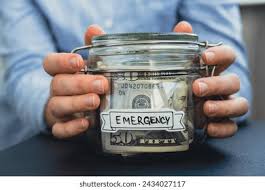
Imagine waking up one morning to find that your car won’t start. The repairs cost hundreds of dollars that you didn’t plan for. Or, consider an unexpected medical bill that arrives right when you think you have your finances under control. These scenarios can create significant stress if you’re unprepared. But, having an emergency fund can turn these financial surprises into manageable inconveniences.
An emergency fund is a critical component of financial stability. It ensures you’re prepared for life’s unexpected expenses, reducing stress and preventing debt accumulation.
This blog post will explore the importance of an emergency fund, guide you on how much to save, provide practical steps to build your fund, suggest where to keep it, and highlight common mistakes to avoid. We’ll also invite you to share your experiences and tips throughout the journey.
What is an Emergency Fund?
Definition: An emergency fund is a savings account designated specifically for unexpected expenses. It’s a financial buffer that helps you handle emergencies without disrupting your regular budget or resorting to high-interest debt.
Purpose: The primary purpose of an emergency fund is to cover unexpected costs, such as medical bills, car repairs, home maintenance, or sudden job loss. This fund acts as a safety net, allowing you to navigate financial surprises with ease.
Real-Life Examples:
- Sarah had to replace her water heater unexpectedly. Thanks to her emergency fund, she paid for the repair without touching her monthly budget.
- Mark lost his job during the pandemic. His emergency fund covered his living expenses until he found new employment.

Why You Need an Emergency Fund
Financial Security
An emergency fund provides a financial cushion that can help you navigate through tough times without derailing your long-term financial goals. It’s your first line of defense against life’s uncertainties.
Unexpected Expenses
Whether it’s a sudden car repair, a broken appliance, or an urgent home repair, unexpected expenses can arise at any moment. An emergency fund ensures you’re prepared for these unforeseen costs.
Job Loss
Losing your job can be one of the most stressful experiences, both emotionally and financially. An emergency fund can cover your living expenses while you search for new employment, giving you the breathing room you need to find the right job.
Medical Emergencies
Medical emergencies can be both physically and financially draining. Having an emergency fund can help cover medical bills and other related expenses, so you can focus on recovery without worrying about finances.
Peace of Mind
Knowing you have a financial safety net can significantly reduce stress and provide peace of mind. It allows you to face life’s challenges with confidence, knowing you’re prepared for whatever comes your way.
How Much Should You Save?
General Guidelines
A common recommendation is to save three to six months’ worth of living expenses in your emergency fund. This amount can provide a sufficient buffer for most financial emergencies.
Factors to Consider
Your savings goal may vary based on factors such as job stability, income, number of dependents, and overall financial situation. It’s essential to evaluate your personal circumstances to determine the right amount for you.
Calculator Tool
Use online calculators to determine your target emergency fund amount based on your unique circumstances. These tools can help you set a realistic and personalized savings goal.

Steps to Build Your Emergency Fund
Assess Your Financial Situation
Start by examining your current financial situation. Calculate your monthly expenses, including rent/mortgage, utilities, groceries, transportation, and other essential costs.
Set a Savings Goal
Based on your assessment, set a realistic savings goal. Determine how much you need to save to cover three to six months of living expenses.
Create a Budget
A well-structured budget is crucial for building your emergency fund. Track your income and expenses, identify areas where you can cut back, and allocate a portion of your income to savings.
Reduce Unnecessary Expenses
Look for ways to reduce non-essential spending. Cutting back on dining out, entertainment, and luxury items can free up more money to contribute to your emergency fund.
Automate Savings
Set up automatic transfers from your checking account to your savings account. Automating your savings ensures that you consistently contribute to your emergency fund without having to think about it.
Find Additional Income Sources
Consider finding additional income sources, such as freelance work, part-time jobs, or selling unused items. Extra income can accelerate your savings progress.
Where to Keep Your Emergency Fund
Savings Accounts
A high-yield savings account is a popular choice for emergency funds. These accounts offer easy access to your money and typically provide higher interest rates than regular savings accounts.
Money Market Accounts
Money market accounts combine features of savings and checking accounts. They often offer higher interest rates and allow limited check-writing capabilities, making them a good option for emergency funds.
Certificates of Deposit (CDs)
While CDs offer higher interest rates, they require you to lock in your money for a set period. They may not be the best option for emergency funds due to potential early withdrawal penalties.
How to Maintain and Grow Your Emergency Fund
Regular Contributions
Continue making regular contributions to your emergency fund even after reaching your initial goal. This habit ensures your fund grows over time and keeps up with inflation and changing needs.
Review and Adjust Savings Goals
Periodically review your financial situation and adjust your savings goals as needed. Life changes, such as a new job, moving, or having a child, may require you to increase your emergency fund.
Avoid Using the Fund for Non-Emergencies
Reserve your emergency fund for genuine emergencies. Avoid the temptation to dip into it for non-essential purchases or investments.
Common Mistakes to Avoid
Not Prioritizing Emergency Savings
Many people neglect to prioritize emergency savings, focusing instead on other financial goals. Make building your emergency fund a top priority to ensure you’re prepared for unexpected expenses.
Underestimating Required Savings
Underestimating the amount you need can leave you vulnerable in a financial crisis. Be realistic about your living expenses and save accordingly.
Keeping Funds in Inaccessible Accounts
Ensure your emergency fund is easily accessible. Avoid placing it in accounts with withdrawal restrictions or penalties, as this can delay access when you need it most.

Case Studies and Real-Life Examples
Success Stories
Jane, a single mother, built a six-month emergency fund over two years. When she unexpectedly lost her job, she was able to cover her living expenses while she found a new position, avoiding debt and financial stress.
Lessons Learned from Lack of Emergency Funds
John, a young professional, had no emergency fund when his car broke down. He had to rely on high-interest credit cards to pay for repairs, leading to financial strain and long-term debt.
Conclusion
An emergency fund is a financial essential that provides security and peace of mind. By understanding its importance and taking deliberate steps to build and maintain it, you can protect yourself and your loved ones from life’s financial uncertainties.

FAQs
- How much should I have in my emergency fund?
A common guideline is to save three to six months’ worth of living expenses. However, your personal circumstances may require a different amount.
- Where should I keep my emergency fund?
Consider keeping your emergency fund in a high-yield savings account or a money market account for easy access and better interest rates.
- How can I build my emergency fund quickly?
Automate your savings, reduce unnecessary expenses, and find additional income sources to build your emergency fund more quickly.
- What expenses should my emergency fund cover?
Your emergency fund should cover essential living expenses such as rent/mortgage, utilities, groceries, transportation, and medical bills.
- Can I use my emergency fund for non-emergencies?
It’s best to reserve your emergency fund for genuine emergencies only. Using it for non-essential expenses can deplete your savings and leave you unprepared for real financial crises.
How to build emergency fund
investing in bonds guide
How to Calculate SIP in SIP Calculator for 100 Years
How to Calculate the Lumpsum Calculator for 100 years
Related Posts


Roberta Ket
You’ve written terrific content on this topic, which goes to show how knowledgable you are on this subject. I happen to cover about Thai-Massage on my personal blog YQ9 and would appreciate some feedback. Thank you and keep posting good stuff!










3 comments