






HDFC Bank Rejects Mitsubishi Financial’s $2 Billion Proposal to Acquire Stake in NBFC Arm: Report

Contents
HDFC arm 2 billion Dollor deal
HDFC Bank Rejects Mitsubishi Financial’s $2 Billion Proposal to Acquire Stake in NBFC Arm: Report
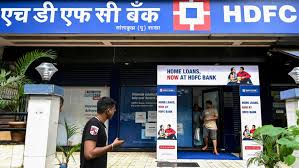
HDFC Bank, India’s largest lender, has decided to reject a proposal from Japan’s Mitsubishi UFJ Financial Group (MUFG) to acquire a 20% stake in its non-banking financial company (NBFC) subsidiary, HDB Financial Services, for $2 billion. Instead, the bank’s board has endorsed a plan to proceed with the listing of HDB Financial Services, which will help the bank comply with the Reserve Bank of India’s (RBI) regulations.

Details of the Proposal and HDFC Bank’s Decision
MUFG, the second-largest bank holding firm globally, had expressed interest in acquiring a significant stake in HDB Financial Services. The Japanese financial institution saw this move as an opportunity to expand its presence in India, a rapidly growing market. The proposal valued HDB Financial Services at $10 billion, with HDFC Bank holding a 95% stake in the subsidiary.
However, the HDFC Bank board has decided to move forward with the initial public offering (IPO) of HDB Financial Services, a decision that aligns with regulatory requirements set by the RBI. The listing will allow the bank to diversify its shareholding and comply with regulations that require financial institutions to limit their exposure to certain assets.
Implications for MUFG and India-Japan Relations
The rejection of the proposal is likely to be a disappointment for Japan, as the deal had received support from the Japanese government. The acquisition was seen as a step towards strengthening economic and strategic ties between the two Quad nations, India and Japan. However, despite the setback, MUFG’s interest in India remains strong, as the country represents a key market for future growth.

Background on Negotiations and Strategic Considerations
Earlier reports had indicated that MUFG was in advanced talks with HDFC Bank to finalize the deal. However, negotiations reportedly stalled due to differences over the extent of influence MUFG would have in shaping the strategic direction of HDB Financial Services. Additionally, HDFC Bank has been exploring other options.
Advantages of HDFC Bank’s Decision
- Regulatory Compliance: By opting to list HDB Financial Services, HDFC Bank ensures compliance with RBI regulations, which could prevent potential regulatory challenges in the future.
- Shareholder Diversification: The listing will help diversify the shareholder base of HDB Financial Services, attracting a broader range of investors.
- Strategic Flexibility: The IPO allows HDFC Bank to maintain control over its NBFC subsidiary while still raising capital and complying with regulatory requirements.
- Market Positioning: The move could strengthen HDFC Bank’s market positioning by aligning with long-term strategic goals rather than being influenced by external stakeholders.
Disadvantages of HDFC Bank’s Decision
- Missed Investment Opportunity: Rejecting MUFG’s proposal means missing out on a substantial $2 billion investment, which could have bolstered the financial strength of HDB Financial Services.
- Potential Impact on India-Japan Relations: The decision may strain economic and strategic relations between India and Japan, as the deal had the support of the Japanese government.
- IPO Risks: While listing offers benefits, it also comes with risks, including market volatility and the pressure to meet shareholder expectations post-IPO.
- Opportunity Cost: The rejection of MUFG’s proposal may mean that HDFC Bank has to look for alternative ways to raise capital, which may not be as favorable.
Conclusion
HDFC Bank’s decision to reject Mitsubishi UFJ Financial Group’s (MUFG) $2 billion proposal to acquire a 20% stake in HDB Financial Services reflects the bank’s strategic focus on regulatory compliance and long-term growth. By choosing to proceed with the listing of its NBFC subsidiary, HDFC Bank aims to diversify its shareholder base and maintain strategic control. However, this decision also comes with trade-offs, including the loss of a significant investment opportunity and potential impacts on international relations. The outcome of this decision will depend on how well the IPO of HDB Financial Services is received in the market and how it aligns with the bank’s broader strategic goals.

FAQs
Q1: Why did HDFC Bank reject MUFG’s $2 billion proposal?
- HDFC Bank decided to reject the proposal from MUFG to comply with the Reserve Bank of India’s (RBI) regulations. Instead, the bank opted to proceed with the listing of its NBFC subsidiary, HDB Financial Services.
Q2: What was the proposed deal between HDFC Bank and MUFG?
- MUFG, the second-largest bank holding firm globally, proposed to acquire a 20% stake in HDB Financial Services for $2 billion.
Q3: How much stake does HDFC Bank currently hold in HDB Financial Services?
- HDFC Bank holds a 95% stake in HDB Financial Services.
Q4: What were the reasons behind MUFG’s interest in HDB Financial Services?
- MUFG aimed to grow its presence in India, a key emerging market, by acquiring a substantial stake in HDB Financial Services.
Q5: What impact will HDFC Bank’s decision have on its compliance with RBI regulations?
- The decision to list HDB Financial Services will help HDFC Bank comply with RBI regulations by diversifying the shareholding of its NBFC subsidiary.













Post Comment