






Timing the Market: Myth vs. Reality

Contents
Financial Markets
Timing the Market: Myth vs. Reality
Timing the market is one of the most debated strategies in the world of investing. Some investors swear by it, believing that by predicting the highs and lows of the stock market, they can maximize their returns. Others, however, argue that it’s a futile effort, prone to high risk and unpredictability. This tug of war between timing the market and adopting a more passive, long-term investment approach has left many investors scratching their heads.
In this article, we will take a deep dive into the concept of market timing, examining its advantages, disadvantages, and whether it’s a myth or a viable strategy. We’ll provide real-world examples, break down common misconceptions, and offer insights into why some investors continue to try timing the market despite its challenges.

What is Market Timing?
Market timing refers to the strategy of making buy or sell decisions of financial assets, often stocks, by predicting future market price movements. The goal of market timing is to capitalize on market fluctuations by buying low and selling high, thus maximizing profits.
Proponents of market timing argue that by anticipating shifts in the economy, interest rates, and market sentiment, they can outperform those who simply buy and hold assets over the long term. On paper, this seems like an attractive proposition, but in practice, market timing is incredibly difficult to execute successfully.
The Myth of Market Timing
The allure of timing the market is understandable. The idea that one could avoid losses during a market downturn or maximize profits during a bull run is tempting. However, market timing is often described as a myth for several reasons:
- Predicting Market Movements is Nearly Impossible
The stock market is influenced by a complex web of factors, including economic indicators, political events, company earnings, global conflicts, and investor sentiment. Even seasoned investors and economists find it difficult to predict market movements consistently.
Historically, even professional fund managers have struggled to outperform the market over time. According to research from S&P Dow Jones Indices, a significant majority of active fund managers underperform their benchmarks over the long term. This suggests that if even professionals with years of experience and vast resources cannot consistently time the market, individual investors are unlikely to succeed in doing so.
- Emotional Investing Leads to Mistakes
Market timing is often driven by emotion, particularly fear and greed. During times of market volatility, investors might panic and sell their holdings to avoid further losses, only to realize they’ve exited too early. Conversely, the fear of missing out (FOMO) can lead investors to buy into a rapidly rising market at its peak, right before a correction or crash.
For example, during the 2008 financial crisis, many investors sold their stocks in a panic, only to miss out on the market’s subsequent recovery. By the time they re-entered the market, prices had already rebounded, and they missed significant gains.
Advantages of Market Timing
While market timing is often criticized, it does have some potential advantages. These benefits are what entice investors to try their hand at this challenging strategy.
- Potential for Higher Returns
If an investor can successfully time the market, the potential for higher returns is significant. By buying assets when they are undervalued and selling them at their peak, investors can theoretically achieve much greater profits than those who simply hold investments over the long term.
For instance, an investor who sold tech stocks before the dot-com bubble burst in 2000 would have avoided the significant losses that followed. Similarly, an investor who bought into the market in March 2009, near the bottom of the financial crisis, would have seen massive gains over the next decade.
- Protection Against Downside Risk
Market timing can also serve as a strategy to avoid significant losses during downturns. By exiting the market before a crash or correction, investors can preserve their capital and avoid riding out the downturn.
An example of this occurred during the COVID-19 pandemic. Some investors who anticipated the sharp decline in March 2020 and exited the market early were able to avoid a temporary 30% loss in the S&P 500, allowing them to reinvest later when the market recovered.
Disadvantages of Market Timing
Despite its allure, market timing comes with numerous disadvantages that often outweigh its potential benefits.
- Consistency is Rare
While some investors may be able to successfully time the market on occasion, doing so consistently over time is extremely difficult. As mentioned earlier, the stock market is influenced by a wide variety of factors, many of which are unpredictable. Consistently predicting market highs and lows is next to impossible, even for the most experienced professionals.
Research shows that missing just a few of the best trading days in the market can drastically reduce an investor’s returns. A study by Charles Schwab found that if an investor had stayed fully invested in the S&P 500 between 2000 and 2019, they would have achieved a return of around 6% annually. However, missing just the 10 best trading days during that period would have reduced the return to only 2.4%.
- Emotional Traps
Market timing requires making decisions under pressure, which can lead to emotional mistakes. Investors might become overly optimistic during market booms or overly pessimistic during downturns. These emotional decisions can lead to poor timing, such as selling after a significant drop in stock prices or buying after prices have already soared.
- Transaction Costs and Taxes
Frequent buying and selling of stocks to time the market can result in higher transaction costs. While online brokerages have made trading cheaper, the costs can still add up over time, eating into any potential gains.
Additionally, short-term trading often leads to higher tax liabilities. In many countries, including the U.S., short-term capital gains (on assets held for less than a year) are taxed at a higher rate than long-term capital gains. This can significantly reduce the net return on investment.
- Missing Out on Compound Growth
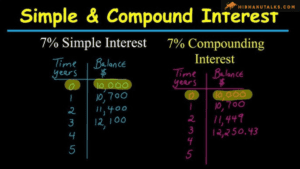
One of the key principles of successful investing is compounding—letting your returns generate more returns over time. By trying to time the market, investors often miss out on the benefits of compounding. Staying invested for the long term allows your investments to grow exponentially, something that frequent trading disrupts.
Reality Check: Why Long-Term Investing is Often Better
While market timing is appealing in theory, long-term investing often proves to be the better strategy for most investors. Here’s why:
- Time in the Market Beats Timing the Market
There’s an old saying in the world of investing: “Time in the market beats timing the market.” This means that the longer you stay invested, the greater your chances of seeing positive returns. Over the long term, markets have historically risen despite periodic downturns.
For example, between 1926 and 2018, the S&P 500 generated an average annual return of about 10%. Investors who stayed in the market through booms and busts experienced overall growth, while those who tried to time their exits and entries often missed out on key growth periods.
- Lower Stress and Simplicity
Long-term investing reduces the stress associated with trying to predict market movements. Investors can simply focus on building a diversified portfolio and staying invested, rather than constantly monitoring the market for buying or selling opportunities.
The simplicity of this strategy allows investors to avoid the emotional and psychological strain that comes with market timing, leading to better financial outcomes in the long run.

Examples of Market Timing Attempts: Successes and Failures
Success Story: George Soros and the British Pound
One of the most famous examples of successful market timing comes from George Soros, a renowned hedge fund manager. In 1992, Soros bet against the British pound, believing that the currency was overvalued. When the pound collapsed, he made over $1 billion in profit. Soros’ bet was based on deep analysis of the economic situation in Europe and the policies of the British government.
While Soros’ success is legendary, it’s important to note that his strategy was based on extensive knowledge and resources that most individual investors do not have.
Failure Story: Investors During the Dot-Com Bubble
On the flip side, many retail investors during the dot-com bubble of the late 1990s believed they could time the market and make quick profits from rising tech stocks. However, when the bubble burst in 2000, these investors suffered massive losses. Many who had bought at the peak saw their investments lose over 80% of their value.
This serves as a cautionary tale of how market timing can lead to significant financial losses if predictions are wrong.
Conclusion
Market timing may seem like an attractive strategy for investors looking to maximize returns and minimize risk. However, the reality is that consistently predicting market movements is incredibly difficult, even for seasoned professionals. While there are rare success stories, the majority of investors who attempt to time the market end up underperforming compared to those who adopt a long-term, buy-and-hold strategy.
The myth of market timing persists because of the potential for higher returns, but the disadvantages—emotional pitfalls, transaction costs, missed opportunities, and inconsistent results—make it a risky approach for most investors. Instead, focusing on staying invested in a well-diversified portfolio and allowing compound growth to work in your favor is a more reliable path to building wealth over time.

Frequently Asked Questions (FAQs)
- Can anyone successfully time the market?
While some professional traders and hedge fund managers have had success with market timing, it is extremely difficult for the average investor. The stock market is influenced by numerous unpredictable factors, making consistent market timing a challenge.
- What is the alternative to market timing?
The alternative is long-term investing. By building a diversified portfolio and staying invested through market fluctuations, investors can take advantage of compound growth and avoid the emotional pitfalls of market timing.
- Is market timing ever advisable?
For most retail investors, market timing is not advisable. It can be tempting to try and predict market movements, but the risks and potential for losses often outweigh the benefits. However, some professionals who have deep market knowledge may attempt to time specific events.
- What are the risks of market timing?
The risks include emotional investing mistakes, higher transaction costs, increased tax liabilities, and missing out on the best days of market growth. Market timing often leads to lower overall returns compared to long-term investing.
- What is the “buy and hold” strategy?
The “buy and hold” strategy involves purchasing investments and holding onto them for the long term, regardless of market fluctuations. This approach is based on the belief that the stock market will grow over time, providing steady returns to patient investors.
financial markets
Building a Diversified Mutual Fund Portfolio: Your Key to Investment Success












Post Comment