






Delhi Government Increases PUC Charges to Improve Air Quality

Contents
- 1 Delhi PUC charges increase air quality
- 1.1 Delhi Government Increases PUC Charges to Improve Air Quality
- 1.1.1 Introduction
- 1.1.2 Background
- 1.1.3 Details of the Announcement
- 1.1.4 Rationale Behind the Increase
- 1.1.5 Impact on Vehicle Owners
- 1.1.6 PUC Certification Process
- 1.1.7 Current Statistics
- 1.1.8 Technological Integration
- 1.1.9 Environmental Impact
- 1.1.10 Challenges Faced
- 1.1.11 Government Initiatives
- 1.1.12 Comparison with Other Cities
- 1.1.13 Future Outlook
- 1.1.14 Public Reaction
- 1.1.15 Conclusion
- 1.1.16 FAQs
- 1.2 Delhi PUC charges increase air quality
- 1.3 Gold Prices Surge, Exceeding $2,400 Amid Eased US Inflation Concerns
- 1.1 Delhi Government Increases PUC Charges to Improve Air Quality
Delhi PUC charges increase air quality
Delhi Government Increases PUC Charges to Improve Air Quality
Introduction
The Delhi government has announced a significant increase in the charges for Pollution Under Control (PUC) certificates for petrol, CNG, and diesel vehicles, marking the first hike in 13 years. This move is part of a broader effort to ensure pollution compliance and improve air quality in the nation’s capital.

Background
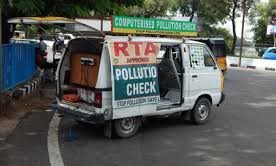
PUC certificates are essential documents that certify a vehicle’s emissions are within permissible limits set by the government. These certificates have been a legal requirement in India since the Central Motor Vehicles Rules of 1989. Over the years, PUC charges have remained relatively stable, with the last increase occurring in 2011. However, fines for non-compliance have seen significant hikes to deter pollution.
Details of the Announcement
Delhi’s Transport Minister Kailash Gahlot announced the new PUC charges, emphasizing the government’s commitment to maintaining air quality and ensuring vehicles meet pollution standards. The updated charges are as follows:
- Two and three-wheelers: Increased from Rs 60 to Rs 80
- Four-wheelers: Increased from Rs 80 to Rs 110
- Diesel vehicles: Increased from Rs 100 to Rs 140
These changes were communicated through a statement sourced from PTI.
Rationale Behind the Increase
The primary reasons for the increase in PUC charges are to ensure pollution compliance and maintain air quality in Delhi. By raising these charges, the government aims to incentivize vehicle owners to regularly obtain their PUC certificates, thereby reducing the overall emissions from vehicles on the road.
Impact on Vehicle Owners
For vehicle owners, this increase translates to a slight financial burden. However, the cost of non-compliance is much higher. Without a valid PUC certificate, vehicle owners face imprisonment of up to six months, a fine of up to Rs 10,000, or both, as per the Motor Vehicles Act.

PUC Certification Process
Obtaining a PUC certificate is a straightforward process:
- Visit a PUC center: These are typically found at petrol stations and authorized service centers.
- Emission test: A technician will perform an emissions test on your vehicle.
- Receive the certificate: If your vehicle passes the test, you will receive a PUC certificate.
For BS-IV compliant vehicles, the certificate is valid for one year. For other vehicles, it is valid for three months.
Current Statistics
According to the Delhi Statistical Handbook 2023, there are over 7.9 million registered vehicles in Delhi, including 20,71,115 cars and jeeps, 52,94,900 motorcycles and scooters, 93,654 auto rickshaws, and 83,278 taxis. Despite the large number of vehicles, over 85% of those without PUC certificates are two-wheelers.
Technological Integration
The PUC certification process in Delhi is integrated with the vehicle registration database and conducted in real-time. This integration ensures that data is immediately updated and accessible, aiding in enforcement and compliance.
Environmental Impact
Increasing PUC charges is expected to contribute significantly to pollution reduction in Delhi. With stricter compliance, the city can look forward to improved air quality and better public health outcomes in the long term.
Challenges Faced
Despite these measures, the high number of non-compliant vehicles remains a challenge. Enforcement is crucial, and the government must continue to find ways to ensure that vehicle owners adhere to the regulations.
Government Initiatives
To address these challenges, the Delhi government has launched several initiatives aimed at improving compliance. These include public awareness campaigns and stricter enforcement of penalties for non-compliance.
Comparison with Other Cities
PUC charges and compliance rates vary across major Indian cities. For instance, cities like Mumbai and Bangalore have different charges and face unique challenges in enforcing PUC compliance. Learning from these cities’ experiences can provide valuable insights for Delhi.
Future Outlook
Given the current trajectory, it is possible that PUC charges may be increased again in the future to further tighten pollution control measures. The government’s continued focus on air quality suggests that such measures will remain a priority.
Public Reaction
The response to the increase in PUC charges has been mixed. While some vehicle owners express concerns about the additional cost, environmental experts applaud the move as a necessary step towards reducing pollution and improving air quality in Delhi.
Conclusion
The increase in PUC charges in Delhi is a significant step towards ensuring pollution compliance and maintaining air quality. While it poses a minor financial burden on vehicle owners, the long-term benefits for the environment and public health are substantial. Compliance with PUC regulations is essential for a cleaner, healthier Delhi.
FAQs
What is a PUC Certificate? A PUC (Pollution Under Control) certificate is a document that certifies a vehicle’s emissions are within the limits set by the government.
Why have the charges been increased now? The charges have been increased to ensure better compliance with pollution standards and to improve air quality in Delhi.
How often do I need to renew my PUC certificate? For BS-IV compliant vehicles, the PUC certificate is valid for one year. For other vehicles, it is valid for three months.
What happens if I don’t have a PUC certificate? Without a valid PUC certificate, vehicle owners face imprisonment of up to six months, a fine of up to Rs 10,000, or both.
How does this change affect diesel vehicle owners specifically? Diesel vehicle owners will now pay Rs 140 for a PUC certificate, up from the previous Rs 100, reflecting a significant increase aimed at stricter pollution control.












Post Comment