






Real Estate and Compound Interest: Building Wealth Over Time

Contents
- 1 Compound Interest
- 1.1 Real Estate and Compound Interest: Building Wealth Over Time
- 1.1.1 The Basics of Real Estate Investment
- 1.1.2 Understanding Compound Interest
- 1.1.3 The Synergy of Real Estate and Compound Interest
- 1.1.4 Building Wealth Over Time
- 1.1.5 Conclusion
- 1.1.6 FAQs:
- 1.1.6.1 1.How does compound interest work in real estate?
- 1.1.6.2 2.Is real estate a good investment for building wealth?
- 1.1.6.3 3.What are the benefits of starting real estate investment early?
- 1.1.6.4 4.How can I reinvest rental income?
- 1.1.6.5 5.What types of real estate investments are best for beginners?
- 1.1.6.6 6.How does leveraging work in real estate?
- 1.1.6.7 7.What is the role of cash flow in real estate investing?
- 1.1.6.8 8.Why is diversification important in real estate?
- 1.1.6.9 9.How often should I assess my real estate investments?
- 1.1.6.10 10.Can real estate investments provide tax benefits?
- 1.2 Compound Interest
- 1.3 Exide Industries Q2 Results: Net Profit Falls by 13.6% to ₹233.4 Crore, Revenue Grows by 2%
- 1.1 Real Estate and Compound Interest: Building Wealth Over Time
Compound Interest
Real Estate and Compound Interest: Building Wealth Over Time
Investing in real estate has long been regarded as a reliable avenue for wealth accumulation. When coupled with the principles of compound interest, real estate can serve as a powerful tool for building lasting financial security. Understanding how these concepts interconnect is essential for investors aiming to maximize their returns and achieve financial freedom.
The Basics of Real Estate Investment
Real estate investment involves purchasing, owning, managing, renting, or selling properties for profit. This form of investment can take various shapes, including residential properties, commercial properties, and real estate investment trusts (REITs). Key benefits of real estate investment include:
- Appreciation: Over time, real estate values generally increase, leading to capital gains when properties are sold.
- Rental Income: Properties can generate consistent cash flow through rental income, providing a source of passive income.
- Tax Advantages: Real estate investments often come with tax benefits, such as mortgage interest deductions and depreciation allowances.
- Leverage: Investors can use borrowed funds to purchase properties, amplifying potential returns.
Understanding Compound Interest
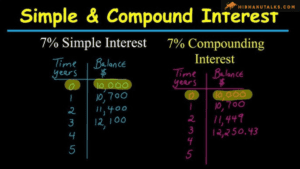
Compound interest refers to the process where interest is earned on both the initial principal and the accumulated interest from previous periods. This “interest on interest” effect allows investments to grow at an accelerated rate over time. The formula for compound interest is:
A=P(1+r/n)ntA = P (1 + r/n)^{nt}
Where:
- AA = the amount of money accumulated after n years, including interest.
- PP = the principal amount (the initial amount of money).
- rr = the annual interest rate (decimal).
- nn = the number of times that interest is compounded per year.
- tt = the number of years the money is invested or borrowed.

The Synergy of Real Estate and Compound Interest
When real estate investments leverage compound interest, the potential for wealth accumulation increases significantly. Here’s how these two concepts synergize:
- Property Appreciation: As property values appreciate over time, the equity in the property increases. This increase in equity can be viewed similarly to the principal amount in the compound interest formula, leading to substantial growth in wealth.
- Reinvestment of Returns: Rental income generated from real estate can be reinvested to purchase additional properties or invested in other financial vehicles that offer compound interest. This creates a cycle of growth, where profits are continuously reinvested to maximize returns.
- Long-Term Investment Strategy: Real estate is inherently a long-term investment. The longer a property is held, the more it can benefit from both appreciation and the compounding effect of reinvested income. This is akin to the power of compounding in savings accounts or investment portfolios.
Building Wealth Over Time
To effectively build wealth through real estate and compound interest, consider the following strategies:
- Start Early: The earlier you invest in real estate, the more time your investment has to grow through appreciation and reinvestment, mirroring the benefits of starting a savings plan early to take advantage of compound interest.
- Diversify Investments: Diversifying your real estate portfolio can help mitigate risks and maximize returns. Consider various property types and locations to create a balanced portfolio that takes advantage of market fluctuations.
- Leverage Your Investments: Use financing to purchase properties, allowing you to control larger assets while using less of your capital. This can enhance your returns as property values increase over time.
- Focus on Cash Flow: Choose properties that generate positive cash flow, allowing you to reinvest earnings. This is similar to reinvesting interest payments in a compound interest scenario.
- Monitor Market Trends: Stay informed about real estate market trends and economic indicators. Understanding market dynamics can help you make informed investment decisions that enhance your wealth-building strategy.

Conclusion
Combining real estate investment with the principles of compound interest creates a robust framework for building wealth over time. By taking advantage of property appreciation, reinvesting returns, and employing effective investment strategies, individuals can leverage these powerful financial concepts to secure their financial future. The journey to wealth through real estate is a long-term endeavor, but with patience and strategic planning, the rewards can be significant.
FAQs:
1.How does compound interest work in real estate?
A. Compound interest in real estate works by reinvesting rental income and benefiting from property appreciation over time.
2.Is real estate a good investment for building wealth?
A. Yes, real estate is often considered a reliable investment for building wealth due to its potential for appreciation, rental income, and tax advantages.
3.What are the benefits of starting real estate investment early?
A. Starting early allows investors to benefit from longer periods of appreciation and compounding effects, maximizing overall returns.
4.How can I reinvest rental income?
A. Rental income can be reinvested in additional properties, used for renovations, or invested in other financial vehicles that offer compound interest.
5.What types of real estate investments are best for beginners?
A. Beginners may consider residential rental properties, REITs, or real estate crowdfunding platforms as accessible entry points.
6.How does leveraging work in real estate?
A. Leveraging involves using borrowed funds to purchase properties, enabling investors to control larger assets and potentially enhance returns.
7.What is the role of cash flow in real estate investing?
A. Positive cash flow from rental properties provides income for reinvestment, supporting the compounding effect similar to interest reinvestment.
8.Why is diversification important in real estate?
A. Diversification helps mitigate risks and stabilize returns by spreading investments across different property types and markets.
9.How often should I assess my real estate investments?
A. Regular assessments, ideally annually, can help you stay informed about market trends and evaluate the performance of your portfolio.
10.Can real estate investments provide tax benefits?
A. Yes, real estate investments often come with tax benefits, including deductions for mortgage interest, property depreciation, and certain expenses.
Compound Interest
Exide Industries Q2 Results: Net Profit Falls by 13.6% to ₹233.4 Crore, Revenue Grows by 2%












1 comment