






The Role of Central Banks in Financial Markets

Contents
Central banks’ role in financial markets
The Role of Central Banks in Financial Markets
Central banks are pivotal institutions in the global financial landscape, wielding significant influence over economies and financial markets. Their decisions and policies affect interest rates, inflation, employment, and overall economic stability. This article delves into the multifaceted role of central banks in financial markets, highlighting their functions, the tools they use, and their impact on both domestic and global economies.

What Are Central Banks?
A central bank is a national institution responsible for managing the currency, money supply, and interest rates of a country. Central banks oversee the commercial banking system and are typically tasked with maintaining economic stability. Prominent examples include the Federal Reserve in the United States, the European Central Bank (ECB), the Bank of England, and the Bank of Japan.
Examples:
- The Federal Reserve (U.S.) sets the federal funds rate, influencing lending rates across the country.
- The European Central Bank controls monetary policy for the Eurozone, impacting 19 European countries.
Core Functions of Central Banks
Central banks have several core functions that allow them to influence financial markets and the broader economy.
- Monetary Policy Implementation
- Central banks control the supply of money in the economy, primarily through the setting of interest rates and other monetary policy tools.
- Example: The Federal Reserve’s adjustments to the federal funds rate can either stimulate economic growth (by lowering rates) or cool down an overheating economy (by raising rates).
- Financial Stability
- Central banks act as guardians of the financial system, ensuring that financial institutions operate smoothly and that the financial markets are stable.
- Example: During the 2008 financial crisis, the Federal Reserve and other central banks provided emergency liquidity to prevent the collapse of major financial institutions.
- Currency Issuance
- Central banks are responsible for issuing and regulating the nation’s currency.
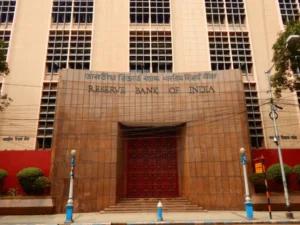
- Example: The Reserve Bank of India issues the Indian Rupee and manages its circulation.
- Lender of Last Resort
- Central banks provide financial institutions with liquidity in times of crisis, acting as a lender of last resort.
- Example: The Bank of England provided emergency funds to Northern Rock during the 2007-2008 financial crisis to prevent its collapse.
- Foreign Exchange Management
- Central banks manage and stabilize the national currency in foreign exchange markets.
- Example: The Swiss National Bank has intervened in currency markets to prevent the Swiss Franc from appreciating too much, which could harm exports.
Monetary Policy Tools
Central banks use various tools to implement monetary policy and influence financial markets. These tools include interest rate adjustments, open market operations, and quantitative easing.
- Interest Rates
- The primary tool of monetary policy is the manipulation of interest rates. By raising or lowering the policy rate, central banks influence borrowing, spending, and investment.
- Example: When the ECB lowered its key interest rate to 0% in 2016, it aimed to stimulate economic activity in the Eurozone by making borrowing cheaper.
- Open Market Operations (OMO)
- Central banks buy or sell government securities in the open market to regulate the money supply.
- Example: The Federal Reserve conducts open market operations by buying U.S. Treasury securities to increase money supply and stimulate economic growth.
- Quantitative Easing (QE)
- In times of economic downturn, central banks may engage in quantitative easing, which involves purchasing large amounts of government and other financial assets to inject liquidity into the economy.
- Example: The Bank of Japan has been using QE since the early 2000s to combat deflation and stimulate economic growth by purchasing government bonds and other financial assets.
- Reserve Requirements
- Central banks set the minimum reserves that commercial banks must hold against deposits. Changing reserve requirements can influence the amount of money banks can lend.
- Example: If the Federal Reserve increases the reserve requirement, banks have less money to lend, which can slow down economic activity.
- Forward Guidance
- Central banks use forward guidance to communicate future monetary policy intentions to influence expectations and behavior in financial markets.
- Example: The Federal Reserve’s statements about keeping interest rates low for an extended period can influence long-term interest rates and investor behavior.

The Impact of Central Banks on Financial Markets
The actions and policies of central banks have a profound impact on financial markets, affecting everything from bond prices to stock market performance.
- Interest Rates and Bond Markets
- Interest rate changes directly affect bond prices. When central banks raise rates, existing bonds with lower interest rates become less attractive, causing their prices to drop.
- Example: In 2013, the Federal Reserve’s indication of tapering its bond-buying program led to a sharp sell-off in the bond market, known as the “Taper Tantrum.”
- Stock Markets
- Central banks influence stock markets through their impact on economic growth and investor confidence. Low interest rates typically boost stock prices by making bonds less attractive and encouraging borrowing and investment.
- Example: The U.S. stock market surged after the Federal Reserve’s implementation of QE in 2009, as investors sought higher returns in equities.
- Foreign Exchange Markets
- Central banks also influence exchange rates through interest rate differentials and currency interventions. A higher interest rate can attract foreign investment, leading to currency appreciation.
- Example: When the Bank of Japan maintains low-interest rates, it often leads to a weaker Yen, making Japanese exports more competitive globally.
- Commodity Markets
- Central bank policies can also impact commodity prices. For instance, a weaker dollar resulting from low U.S. interest rates can lead to higher prices for commodities like oil and gold.
- Example: The rise in gold prices in the 2010s was partially driven by the Federal Reserve’s low-interest-rate policies, which weakened the dollar.

Central Banks and Global Financial Crises
Central banks play a critical role in managing and mitigating the effects of global financial crises. Their actions during these periods can stabilize or destabilize markets, depending on the effectiveness of their interventions.
- The 2008 Financial Crisis
- During the 2008 financial crisis, central banks around the world took unprecedented actions to prevent a global economic collapse. The Federal Reserve slashed interest rates to near zero and launched several rounds of QE to inject liquidity into the financial system.
- Example: The European Central Bank introduced its Long-Term Refinancing Operations (LTRO) to provide low-cost loans to European banks, stabilizing the banking sector during the crisis.
- The COVID-19 Pandemic
- The COVID-19 pandemic presented another significant challenge for central banks. In response, they deployed a range of tools to stabilize economies and support financial markets.
- Example: The Federal Reserve cut interest rates to near zero and launched massive QE programs, purchasing government bonds and mortgage-backed securities to support the economy.
- Lessons Learned
- These crises have highlighted the importance of central banks in maintaining financial stability. However, they have also raised concerns about the long-term effects of unconventional monetary policies, such as QE, on asset prices and economic inequality.

Advantages of Central Banks’ Role in Financial Markets
- Economic Stabilization
- Central banks are instrumental in stabilizing economies during periods of economic turbulence. Their ability to adjust monetary policy in response to changing economic conditions helps smooth out the business cycle.
- Example: During recessions, central banks lower interest rates to stimulate spending and investment, helping to shorten the downturn.
- Inflation Control
- One of the primary objectives of central banks is to maintain price stability. By adjusting interest rates and controlling the money supply, they can prevent runaway inflation or deflation.
- Example: The European Central Bank’s primary mandate is to maintain inflation close to but below 2%, ensuring stable prices in the Eurozone.
- Financial System Protection
- Central banks oversee the financial system and act as lenders of last resort, preventing bank runs and financial crises.
- Example: The Federal Reserve’s role in providing liquidity to banks during the 2008 financial crisis helped avert a total collapse of the financial system.
- Currency Stability
- By managing exchange rates and foreign reserves, central banks help maintain the stability of their nation’s currency, which is crucial for international trade.
- Example: The Swiss National Bank’s interventions in currency markets help maintain the stability of the Swiss Franc, supporting the country’s export-driven economy.

Disadvantages of Central Banks’ Role in Financial Markets
- Moral Hazard
- The knowledge that central banks will step in during crises can lead to moral hazard, where financial institutions take on excessive risks, expecting a bailout.
- Example: Critics argue that the bailouts of large banks during the 2008 financial crisis encouraged reckless behavior, as institutions believed they were “too big to fail.”
- Asset Bubbles
- Prolonged periods of low interest rates can lead to asset bubbles, where the prices of stocks, real estate, or other assets become inflated beyond their intrinsic value.
- Example: The housing bubble leading up to the 2008 financial crisis was partly fueled by low-interest rates and easy credit.
- Currency Manipulation Accusations
- Central banks that intervene heavily in currency markets can face accusations of currency manipulation, leading to trade tensions.
- Example: The U.S. has accused China’s central bank of manipulating the Yuan to keep exports competitively priced.
- Limited Impact of Monetary Policy
- In situations like a liquidity trap, where interest rates are near zero, the effectiveness of traditional monetary policy tools may be limited.
- Example: Despite near-zero interest rates, Japan has struggled with deflation and sluggish economic growth for decades, leading to questions about the limits of monetary policy.

Conclusion
Central banks play a crucial role in financial markets, influencing everything from interest rates and inflation to stock prices and exchange rates. Their ability to implement monetary policy and ensure financial stability makes them vital to the functioning of modern economies. However, their actions also come with potential downsides, including the risk of moral hazard, asset bubbles, and the limits of monetary policy in addressing deep-seated economic issues. As global financial markets become increasingly interconnected, the role of central banks will continue to evolve, with their decisions having far-reaching consequences for economies and financial markets worldwide.
FAQs
- What is the primary role of a central bank?
- The primary role of a central bank is to manage the nation’s currency, money supply, and interest rates, ensuring economic stability and financial system integrity.
- How do central banks influence interest rates?
- Central banks influence interest rates by setting the policy rate, which affects the rates at which banks borrow and lend money, thereby impacting economic activity.
- What is quantitative easing (QE)?
- Quantitative easing is a monetary policy tool where central banks purchase financial assets, such as government bonds, to inject liquidity into the economy and lower interest rates.
- Can central banks prevent financial crises?
- While central banks can take measures to mitigate financial crises, such as providing emergency liquidity and stabilizing markets, they cannot always prevent them, especially if underlying economic issues are severe.
- What are the risks of central bank interventions?
- Risks include moral hazard, where institutions take on excessive risks expecting central bank bailouts, and the potential for creating asset bubbles due to prolonged low-interest rates.













3 comments