






Budgeting Basics: Understanding What a Budget Is and How to Create One
Contents
- 1 Budgeting for Beginners
- 1.1 Budgeting Basics: Understanding What a Budget Is and How to Create One
- 1.1.1 what is budget?
- 1.1.2 Understanding Your Financial Situation
- 1.1.3 Assessing Income Sources
- 1.1.4 Tracking Expenses
- 1.1.5 Identifying Financial Goals
- 1.1.6 Setting Up a Budget
- 1.1.7 Choosing a Budgeting Method
- 1.1.8 Using Budgeting Tools and Apps
- 1.1.9 Creating Your Budget Categories
- 1.1.10 Setting Up Accounts
- 1.1.10.1 Allocating Funds
- 1.1.10.2 Automating Savings
- 1.1.10.3 Monitoring and Adjusting Your Budget
- 1.1.10.4 Regular Reviews
- 1.1.10.5 Adjusting for Changes
- 1.1.10.6 Dealing with Surplus and Deficit
- 1.1.10.7 Tips for Sticking to Your Budget
- 1.1.10.8 Staying Motivated
- 1.1.10.9 Avoiding Common Pitfalls
- 1.1.10.10 Finding Support and Resources
- 1.1.10.11 Building an Emergency Fund
- 1.1.10.12 Importance of an Emergency Fund
- 1.1.10.13 How Much to Save
- 1.1.10.14 Where to Keep Your Emergency Fund
- 1.1.10.15 Debt Management
- 1.1.10.16 Understanding Good vs. Bad Debt
- 1.1.10.17 Strategies for Paying Off Debt
- 1.1.10.18 Avoiding Future Debt
- 1.1.10.19 Saving for the Future
- 1.1.10.20 Short-term vs. Long-term Savings
- 1.1.10.21 Retirement Planning
- 1.1.10.22 Investment Options
- 1.1.11 Conclusion
- 1.1.12 FAQs
- 1.2 Budgeting for Beginners
- 1.3 Options Trading: An Introductory Guide
- 1.4 you want to know how to calculate SIP Calculator for 100 Years
- 1.5 you want to know how to calculate Lumpsum Calculator for 100 years
- 1.6 you want to know how to calculate SWP Calculator for 100 Years
- 1.1 Budgeting Basics: Understanding What a Budget Is and How to Create One
Budgeting for Beginners
Budgeting Basics: Understanding What a Budget Is and How to Create One
what is budget?
A budget is a spending plan based on income and expenses. In other words, it’s an estimate of how much money you’ll make and spend over a certain period of time, such as a month or year.
Managing money effectively is crucial for financial stability and peace of mind. Whether you’re a student, a young professional, or someone looking to gain control over their finances, budgeting is a skill that everyone needs. But where do you start? Let’s dive into the basics of budgeting for beginners.
Understanding Your Financial Situation
Before you can create a budget, you need to understand your current financial situation.
Assessing Income Sources
The first step is to identify all your income sources. This includes your salary, any freelance work, investments, or other sources of income. Having a clear picture of your income helps in planning your expenses effectively.
Tracking Expenses
Next, track your expenses. This can be done using a simple spreadsheet or a budgeting app. Categorize your expenses into fixed (rent, utilities) and variable (groceries, entertainment) costs. Knowing where your money goes is essential for creating a realistic budget.
Identifying Financial Goals
What are you saving for? Whether it’s an emergency fund, a vacation, or a down payment on a house, setting clear financial goals helps in prioritizing your spending and saving habits.
Setting Up a Budget
Once you have a clear understanding of your income and expenses, it’s time to set up a budget.
Choosing a Budgeting Method
There are several budgeting methods to choose from. Here are a few popular ones:
- The Envelope System: Allocate cash for different categories and spend only what’s in each envelope.
- Zero-Based Budgeting: Assign every dollar a job, so your income minus expenses equals zero.
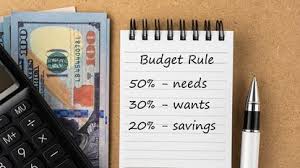
- 50/30/20 Rule: Allocate 50% of your income to needs, 30% to wants, and 20% to savings and debt repayment.
Choose a method that suits your lifestyle and financial goals.
Using Budgeting Tools and Apps
In today’s digital age, there are numerous tools and apps available to help you budget. Apps like Mint, YNAB (You Need A Budget), and PocketGuard can simplify the process and provide insights into your spending habits.Budgeting for Beginners.
Creating Your Budget Categories
Divide your expenses into categories to manage your money better.
Fixed Expenses
These are regular monthly expenses that don’t change, such as rent, mortgage, and insurance premiums.
Variable Expenses
These expenses can vary each month, like groceries, utilities, and transportation costs.
Discretionary Spending
This includes non-essential expenses like dining out, entertainment, and hobbies. It’s important to keep these in check to avoid overspending.
Savings and Investments
Allocate a portion of your income to savings and investments. This could include an emergency fund, retirement savings, and other investments.

Implementing Your Budget
Now that you have your budget categories, it’s time to implement your budget.
Setting Up Accounts
Set up separate accounts for different purposes. For example, have an account for bills, another for savings, and one for discretionary spending.
Allocating Funds
Allocate your income to different categories based on your budget. Ensure you prioritize essential expenses and savings.
Automating Savings
Automate your savings by setting up automatic transfers to your savings account. This ensures you save consistently without having to think about it.
Monitoring and Adjusting Your Budget
A budget is not set in stone. It needs to be monitored and adjusted regularly.
Regular Reviews
Review your budget monthly to track your progress and make necessary adjustments.
Adjusting for Changes
Life is unpredictable, and your budget should be flexible enough to accommodate changes in income or expenses.
Dealing with Surplus and Deficit
If you have a surplus, allocate it towards your financial goals. If you have a deficit, look for areas to cut back on or find ways to increase your income.
Tips for Sticking to Your Budget
Sticking to a budget can be challenging, but these tips can help.
Staying Motivated
Keep your financial goals in mind to stay motivated. Visualize the benefits of sticking to your budget, like financial freedom and reduced stress.
Avoiding Common Pitfalls
Avoid common budgeting mistakes, such as underestimating expenses or neglecting to account for irregular expenses.
Finding Support and Resources
Join budgeting communities online or find a budgeting buddy to share tips and experiences. There are many resources available to help you stay on track.
Building an Emergency Fund
An emergency fund is crucial for financial stability.
Importance of an Emergency Fund
It provides a safety net for unexpected expenses like medical bills or car repairs, preventing you from going into debt.
How Much to Save
Aim to save at least three to six months’ worth of living expenses. Start small and gradually increase your savings.
Where to Keep Your Emergency Fund
Keep your emergency fund in a separate, easily accessible savings account. Ensure it’s not too easy to access to avoid unnecessary withdrawals.
Debt Management
Managing debt is an essential part of budgeting.
Understanding Good vs. Bad Debt
Good debt, like a mortgage or student loan, can help you build wealth. Bad debt, like high-interest credit card debt, should be paid off as soon as possible.
Strategies for Paying Off Debt
Use strategies like the debt snowball (paying off smallest debts first) or debt avalanche (paying off highest interest debts first) to reduce your debt.
Avoiding Future Debt
Live within your means and avoid taking on unnecessary debt. Save for big purchases instead of relying on credit.
Saving for the Future
Saving is not just about meeting immediate needs but also about securing your future.
Short-term vs. Long-term Savings
Short-term savings are for goals you want to achieve within a year, like a vacation. Long-term savings are for goals like buying a house or retirement.Budgeting for Beginners.
Retirement Planning
Start saving for retirement as early as possible. Take advantage of employer-sponsored retirement plans and individual retirement accounts (IRAs).
Investment Options
Explore different investment options like stocks, bonds, and mutual funds to grow your wealth over time.
Conclusion
Budgeting for Beginners.Budgeting is a powerful tool for managing your money and achieving your financial goals. It requires discipline, regular monitoring, and adjustments. Start small, stay consistent, and don’t be afraid to seek help if needed. Your future self will thank you!
FAQs
How do I start budgeting if I have irregular income?
Start by averaging your income over a few months to get an estimate. Prioritize essential expenses and save more during high-income months to cover low-income months.
What are the best apps for budgeting?
Some popular budgeting apps include Mint, YNAB (You Need A Budget), PocketGuard, and Personal Capital.
How can I save money on a tight budget?
Look for ways to cut back on non-essential expenses, use coupons and discounts, and prioritize saving even small amounts regularly.
What should I do if I exceed my budget?
Review your expenses to identify overspending areas and make adjustments. Consider reducing discretionary spending or finding ways to increase your income.
How often should I review my budget?
Review your budget at least once a month to track your progress and make necessary adjustments.











2 comments