





Adani Group Secures 6,600 MW Power Deal with MSEDCL at ₹4.08/Unit, Promoting Sustainable Energy

Contents
- 1 Adani power deal
- 1.1 Adani Group Secures 6,600 MW Power Deal with MSEDCL at ₹4.08/Unit, Promoting Sustainable Energy
- 1.1.1 Adani Group’s Winning Bid: Breaking Down the Numbers
- 1.1.2 Long-Term Power Purchase Agreement (PPA)
- 1.1.3 The Unique Tender: Solar and Coal Power Integration
- 1.1.4 Adani’s Vision for a Sustainable Future
- 1.1.5 The Role of Thermal Power in Stabilizing the Grid
- 1.1.6 Conclusion:
- 1.1.7 FAQs:
- 1.1.7.1 1.What is the total power capacity Adani Group will supply to MSEDCL?
- 1.1.7.2 2.What is the cost of power per unit under Adani’s bid?
- 1.1.7.3 3.Where will the solar energy come from?
- 1.1.7.4 4.How long is the Power Purchase Agreement (PPA) between Adani and MSEDCL?
- 1.1.7.5 5.What is the significance of the 1:1 solar-to-thermal energy ratio in this deal?
- 1.1.7.6 6.What are the fixed and indexed rates for solar and thermal energy?
- 1.1.7.7 7.Who were the competitors in this bid?
- 1.1.7.8 8.When will the power supply begin under this agreement?
- 1.1.7.9 9.What is Adani’s target for renewable energy capacity?
- 1.1.7.10 10.How does this deal contribute to India’s clean energy goals?
- 1.2 Adani power deal
- 1.3 Stock Market Games and Competitions: A Clear-Cut Guide
- 1.1 Adani Group Secures 6,600 MW Power Deal with MSEDCL at ₹4.08/Unit, Promoting Sustainable Energy
Adani power deal
Adani Group Secures 6,600 MW Power Deal with MSEDCL at ₹4.08/Unit, Promoting Sustainable Energy
In a significant step toward sustainable energy, the Adani Group has won a bid to supply 6,600 MW of bundled renewable and thermal power to Maharashtra State Electricity Distribution Company Limited (MSEDCL) at an incredibly competitive rate of ₹4.08 per unit. This rate is nearly ₹1 lower than the current electricity procurement costs in the state, putting Adani at the forefront of India’s clean energy transition.

Adani Group’s Winning Bid: Breaking Down the Numbers
Adani Group’s successful bid of ₹4.08 per unit is a landmark in the energy sector, not just for the pricing but also for its focus on sustainability. The deal includes the supply of 5,000 MW of solar energy from the Adani Green Energy’s Khavda Renewable Energy Park in Gujarat and 1,496 MW of thermal power from a new ultra-supercritical plant being developed by Adani Power.
This mix of renewable and thermal energy creates a balanced approach to meet the increasing energy demands of Maharashtra, all while keeping costs low and sustainability high. Adani’s pricing beat out key competitors such as JSW Energy and Torrent Power, further solidifying its position as a leader in the Indian power sector.
Long-Term Power Purchase Agreement (PPA)
Adani will enter into a long-term Power Purchase Agreement (PPA) with MSEDCL, ensuring a stable energy supply for the next 25 years. The deal includes fixed solar energy pricing at ₹2.70 per unit for the entire term, offering consistent cost savings for the state. Meanwhile, the price of thermal power will be indexed to coal prices, providing flexibility based on market conditions.
The power supply is expected to begin within the next four years, pending the final award of the letter of intent.
The Unique Tender: Solar and Coal Power Integration
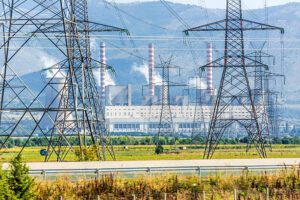
The tender issued by MSEDCL in March 2024 was distinctive in that it called for both renewable and thermal power sources. The tender sought 5,000 MW of solar energy and 1,600 MW of coal-generated power, marking a balanced approach to meeting the state’s energy needs. This hybrid solution not only supports Maharashtra’s energy goals but also integrates more renewable energy into the grid.
The timing of the tender was also noteworthy. It was floated just before the model code of conduct for the Lok Sabha elections was implemented and awarded to Adani ahead of the assembly elections in Maharashtra. This suggests the importance of the deal in the state’s broader energy and economic plans.
Adani’s Vision for a Sustainable Future
Speaking about the deal, Sagar Adani, Executive Director of Adani Green Energy, highlighted the company’s commitment to renewable energy. “We are thrilled to collaborate with MSEDCL in meeting Maharashtra’s growing energy demand through sustainable sources. This partnership is a critical step towards India’s clean energy transition and energy independence.”
Adani Green Energy aims to reach a 50 GW capacity target with secured, resource-rich sites, a diverse portfolio of renewable energy solutions, and well-planned energy evacuation systems. This ambitious goal aligns with India’s national agenda to push for renewable energy and reduce its carbon footprint.
The Role of Thermal Power in Stabilizing the Grid
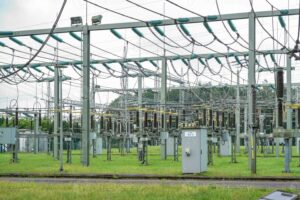
While renewable energy is crucial for sustainability, Adani Power’s Managing Director, Anil Sardana, emphasized the importance of conventional energy sources. “As India continues its rapid economic growth while focusing on sustainability, the role of conventional power becomes vital in stabilizing the grid and providing a reliable base load. Adani Power is honored to supply reliable and competitive power to a key industrial state like Maharashtra.”
This balanced approach ensures that Maharashtra will have the necessary power to meet its growing industrial and residential needs, while also integrating a significant amount of renewable energy into its grid.
Conclusion:
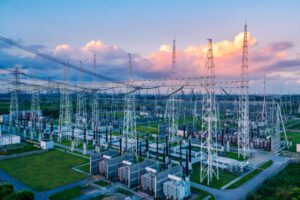
Adani Group’s winning bid to supply 6,600 MW of bundled renewable and thermal power to MSEDCL marks a pivotal moment in India’s energy landscape. With a focus on sustainability, competitive pricing, and long-term energy security, this deal is a step towards a cleaner, more reliable energy future for Maharashtra and the entire country.
FAQs:
1.What is the total power capacity Adani Group will supply to MSEDCL?
A. Adani Group will supply 6,600 MW of power, which includes 5,000 MW of solar energy and 1,496 MW of thermal power.
2.What is the cost of power per unit under Adani’s bid?
A. Adani won the bid at ₹4.08 per unit, which is nearly ₹1 lower than the current procurement costs.
3.Where will the solar energy come from?
A. The solar energy will be sourced from Adani Green Energy’s Khavda Renewable Energy Park in Gujarat.
4.How long is the Power Purchase Agreement (PPA) between Adani and MSEDCL?
A. The PPA will last for 25 years, ensuring a stable and long-term energy supply.
5.What is the significance of the 1:1 solar-to-thermal energy ratio in this deal?
A. The mix of solar and thermal energy ensures both sustainability and grid stability, meeting Maharashtra’s growing energy needs.
6.What are the fixed and indexed rates for solar and thermal energy?
A. Solar power will be supplied at a fixed rate of ₹2.70 per unit, while thermal power prices will be indexed to coal prices.
7.Who were the competitors in this bid?
A. Adani competed against companies like JSW Energy and Torrent Power to win this bid.
8.When will the power supply begin under this agreement?
A. The power supply is expected to commence within four years, following the final award of the letter of intent.
9.What is Adani’s target for renewable energy capacity?
A. Adani Green Energy aims to achieve a renewable energy capacity of 50 GW.
10.How does this deal contribute to India’s clean energy goals?
A. This agreement supports India’s clean energy transition by increasing the share of renewable energy in the national grid, aligning with the country’s sustainability goals.
Adani power deal
Stock Market Games and Competitions: A Clear-Cut Guide











Post Comment