






Bajaj Beats TVS in Electric Scooter Race: Detailed Analysis
Contents
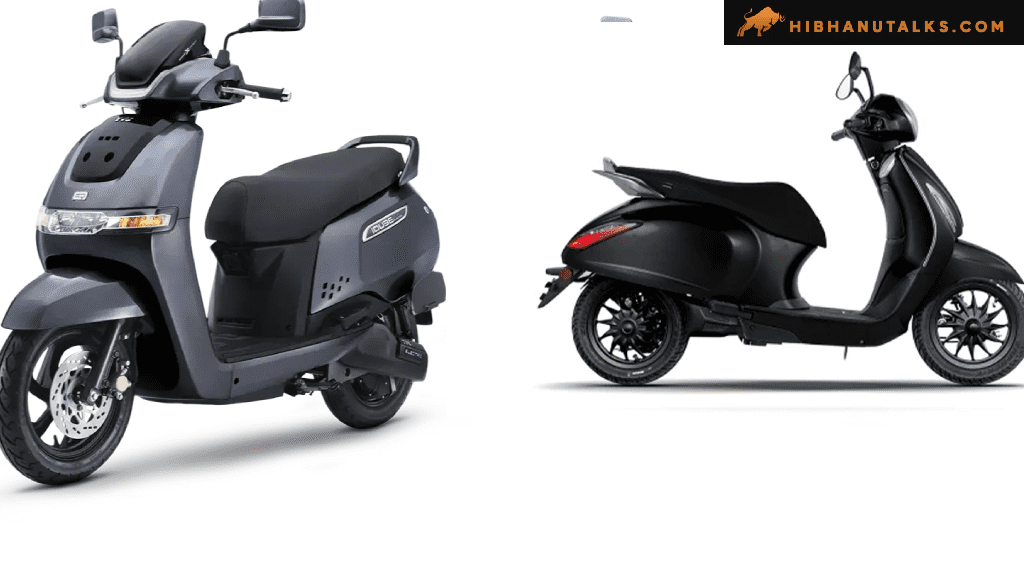
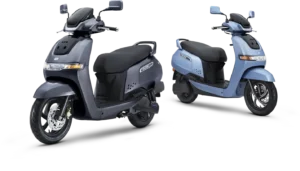
Bajaj vs TVS electric scooter
Bajaj Beats TVS in Electric Scooter Race: Detailed Analysis
Bajaj Auto has emerged as a strong contender in the Indian electric scooter market, surpassing TVS Motor Company and closing in on Ola Electric, which has traditionally held a dominant position. September 2024 sales data highlights Bajaj’s Chetak electric scooter gaining traction, with the company’s market share rising to 21.4%, compared to Ola Electric’s 27.6%. TVS, meanwhile, holds a 19.56% market share, struggling to maintain its foothold amid growing competition.
Key Highlights:
- Bajaj Auto sold 17,507 units in September 2024, overtaking TVS Motor’s 16,351 units.
- Ola Electric sold 22,821 units in September 2024, but its market share shrank from 47% in 2023 to 27.6% in 2024.
- Ather Energy saw significant growth with over 11,000 units sold, capturing 14% of the market.
- Bajaj’s success can be linked to its revised distribution strategy and competitive pricing.
- Ola Electric is addressing its market challenges by launching a ‘hyperservice’ campaign to improve customer service and expand its service outlets.
Explanation:
- Ola’s Market Decline:
Once a dominant player, Ola Electric has experienced a significant decrease in market share, from 47% in September 2023 to just over 27.6% in September 2024. This decline is attributed to increasing competition, customer service challenges, and a drop in sales numbers compared to the previous year. - Bajaj’s Surge in Sales:
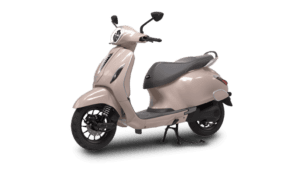
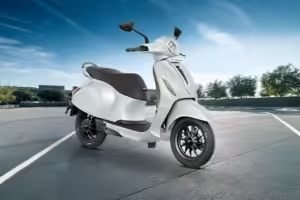
Bajaj Auto’s Chetak electric scooter has made notable gains in market share, holding 21.4% in September 2024. The company sold 17,507 units, outpacing TVS Motor Company for the first time. Bajaj’s decision to distribute Chetak through its existing motorcycle dealerships, rather than exclusive showrooms, has played a crucial role in boosting its sales and market reach. - TVS’s Struggles:
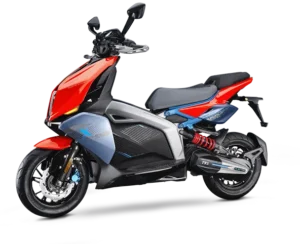
TVS Motor Company, a long-established player, has been facing challenges. Its inability to offer an electric scooter priced below ₹1 lakh has hampered its growth in the price-sensitive Indian market. However, the company is expected to launch a more affordable model during the upcoming festive season, which could help regain its market share. - Ather Energy’s Growth:
Ather Energy is the only non-legacy manufacturer to make significant strides in the electric scooter market. With sales increasing by 75% year-on-year, Ather sold over 11,000 units, capturing a 14% market share. Ather’s focus on performance and premium features has appealed to a niche segment of urban customers. - Ola’s Response to Challenges:
To address its shrinking market share and customer service issues, Ola Electric has launched a ‘hyperservice’ campaign. The initiative aims to double the number of its service outlets to 1,000 by December 2024, alongside training 100,000 third-party mechanics. Additionally, Ola plans to introduce AI-powered proactive maintenance and remote diagnostics from October 2024.
Advantages:
- Bajaj’s Strategic Expansion:
Bajaj’s decision to sell the Chetak electric scooter through its existing dealerships has significantly boosted its reach and sales. The brand’s established presence in the Indian market gives it an edge over newer competitors. - Competitive Pricing:
Bajaj’s competitive pricing strategy has made the Chetak an attractive option for price-sensitive buyers. This approach has allowed it to narrow the gap with Ola Electric and overtake TVS Motor Company. - Increased Competition Benefiting Consumers:
The growing competition in the electric scooter market has led to better pricing, more features, and improved service options for consumers. Ola’s ‘hyperservice’ campaign and Bajaj’s expanded reach are prime examples of companies enhancing customer experience. - Ola’s Innovation in Service:
Ola’s AI-powered proactive maintenance system could revolutionize after-sales service in the electric vehicle (EV) industry. By focusing on predictive maintenance, Ola aims to reduce breakdowns and enhance customer satisfaction.
Disadvantages:
- Ola’s Decline in Market Share:
Despite its early dominance, Ola Electric is losing ground due to customer service challenges and increased competition. Its inability to maintain consistent growth reflects operational weaknesses. - TVS’s Lack of Affordable Models:
TVS has missed out on a large portion of the market by not offering an electric scooter below ₹1 lakh. The brand’s premium positioning has hindered its competitiveness against players like Bajaj and Ola, which offer more accessible options. - Reliance on Customer Service for Ola:
Ola’s customer service has been a pain point, as reflected by the drop in sales and market share. Even with the ‘hyperservice’ campaign, addressing customer grievances and improving service infrastructure remains a challenging task.
Conclusion:
Bajaj Auto’s rise in the electric two-wheeler market signals a shift in the industry dynamics. Its Chetak electric scooter, combined with a broader sales strategy, has allowed Bajaj to surpass TVS and close in on Ola Electric, which is still the market leader but losing dominance. The increased competition between Ola, Bajaj, TVS, and Ather Energy is creating a more vibrant market, with each company focusing on improving its offerings and customer service.
Ola Electric’s ‘hyperservice’ initiative, aimed at expanding service outlets and improving maintenance capabilities, may help it reclaim some lost ground. However, its success will depend on how well it can execute these plans. As the festive season approaches, all eyes are on TVS to see if its new affordable model will help regain its market share.
FAQs:
- Why has Ola Electric’s market share declined?
Ola Electric’s market share declined due to increased competition, challenges in customer service, and a year-on-year drop in sales. It has lost significant ground to companies like Bajaj and Ather Energy. - What helped Bajaj overtake TVS in electric scooter sales?
Bajaj Auto’s decision to sell its Chetak electric scooter through its existing motorcycle dealerships, combined with competitive pricing, has helped it boost sales and overtake TVS in September 2024. - What challenges does TVS face in the electric scooter market?
TVS has struggled due to the absence of an electric scooter priced below ₹1 lakh, making it less competitive in the price-sensitive Indian market. However, the company is expected to launch a more affordable model soon. - How is Ola Electric addressing its challenges?
Ola Electric is addressing its market challenges through its ‘hyperservice’ campaign, which includes expanding service outlets, training mechanics, and introducing AI-powered proactive maintenance. - What is Ather Energy’s position in the market?
Ather Energy has emerged as a significant player, with a 75% increase in sales and 14% market share. It is the only non-legacy manufacturer to make such gains in the electric two-wheeler market.
Bajaj vs TVS electric scooter
NHPC Signs MoU With Rajasthan Government for ₹50,000 Crore Renewable Energy Projects









Post Comment