






The Benefits of Long-Term vs. Short-Term Investing

Contents
- 1 long term vs short term stock investment
- 1.1 The Benefits of Long-Term vs. Short-Term Investing
- 1.1.1 Long-Term Investing: Building Wealth with Patience
- 1.1.2 Short-Term Investing: Quick Gains with Higher Risk
- 1.1.3 Comparing Long-Term and Short-Term Investing: Which is Right for You?
- 1.1.4 Conclusion:
- 1.1.5 FAQs:
- 1.1.5.1 1.What is long-term investing?
- 1.1.5.2 2.What is short-term investing?
- 1.1.5.3 3.Which is better: long-term or short-term investing?
- 1.1.5.4 4.What are the tax advantages of long-term investing?
- 1.1.5.5 5.Can I combine long-term and short-term investing?
- 1.1.5.6 6.What are the risks of short-term investing?
- 1.1.5.7 7.How does compounding benefit long-term investors?
- 1.1.5.8 8.Is long-term investing less stressful than short-term investing?
- 1.1.5.9 9.Who should consider short-term investing?
- 1.1.5.10 10.What is the liquidity difference between long-term and short-term investments?
- 1.2 long term vs short term stock investment
- 1.3 Setting Realistic Investment Goals: A Comprehensive Guide
- 1.1 The Benefits of Long-Term vs. Short-Term Investing
long term vs short term stock investment
The Benefits of Long-Term vs. Short-Term Investing
Investing is a key strategy for building wealth over time, but how long should you hold your investments to maximize returns? The debate between long-term and short-term investing continues to stir interest among investors. Both approaches have their unique advantages and challenges, depending on your financial goals, risk tolerance, and market conditions. In this blog, we’ll break down the benefits of long-term vs. short-term investing and help you decide which strategy might be the best fit for you.

Long-Term Investing: Building Wealth with Patience
Long-term investing refers to buying and holding assets like stocks, bonds, or mutual funds for an extended period, typically five years or more. This strategy is all about patience and riding out the ups and downs of the market, which makes it especially suitable for investors with a longer time horizon. Let’s explore the key benefits of long-term investing:
1. Compounding Returns
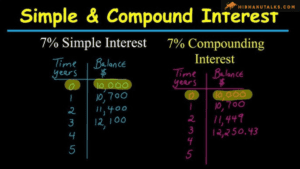
One of the most powerful benefits of long-term investing is compounding. When you invest for the long term, you earn returns not only on your initial investment but also on the returns that accumulate over time. This compounding effect can significantly grow your wealth, especially if you reinvest dividends and interest.
For example, if you invest $10,000 with an annual return of 7%, after 10 years, your investment would grow to approximately $19,672. If you stay invested for 20 years, it could grow to over $38,697, thanks to the compounding effect.

2. Reduced Impact of Market Volatility
The stock market is inherently volatile, with prices fluctuating daily. However, long-term investors tend to fare better during market downturns because they have more time to recover from temporary losses. Holding investments for many years allows you to ride out short-term dips in the market and benefit from long-term growth trends.
Historically, the stock market has shown that despite periodic downturns, it tends to rise over time. For example, the S&P 500 has returned an average of about 10% per year over the past century.
3. Lower Tax Burden
Long-term investments generally enjoy more favorable tax treatment than short-term trades. In many countries, profits from assets held for more than a year are subject to lower capital gains tax rates. This can lead to significant tax savings compared to short-term investments, which are often taxed at higher ordinary income rates.
In the U.S., for instance, the long-term capital gains tax rate is typically lower than the short-term rate, depending on your income bracket.

4. Less Time-Intensive
Long-term investing is ideal for individuals who prefer a more hands-off approach. You don’t need to constantly monitor the market or make frequent trades. Instead, you can focus on selecting solid investments and allowing them to grow over time. This strategy reduces the emotional stress of reacting to short-term market movements and can lead to better decision-making.
Short-Term Investing: Quick Gains with Higher Risk
Short-term investing involves buying and selling assets within a short period, typically less than a year. This approach aims to capitalize on market fluctuations and generate quick returns. While it can be rewarding, it also carries more risk and requires active management. Let’s take a closer look at the benefits of short-term investing:
1. Quick Profit Potential
One of the main attractions of short-term investing is the opportunity for quick profits. By taking advantage of market trends, news events, or price fluctuations, investors can potentially make gains in a matter of days, weeks, or months. This is particularly appealing to those who want to see faster results compared to the slow and steady approach of long-term investing.
For instance, day traders or swing traders focus on short-term price movements and aim to capitalize on small price changes within a few hours or days.

2. Liquidity
Short-term investments offer higher liquidity, meaning you can convert your assets into cash quickly. This is beneficial if you need access to your money in the near future, as you won’t have to wait years to realize gains. Investors who may require funds for short-term goals, such as purchasing a home, paying for education, or dealing with emergencies, often prefer short-term investments for this reason.
3. Flexibility
Short-term investing allows you to be more flexible and adapt to market changes quickly. You can take advantage of current trends, capitalize on short-term opportunities, and exit positions if they don’t perform as expected. This active approach requires constant attention to market movements, but it gives investors the ability to respond rapidly to market conditions.
For example, if a stock is underperforming or if a better opportunity arises, short-term investors can swiftly adjust their portfolios without being locked into a long-term strategy.

4. Diversification Opportunities
With short-term investing, you can diversify your portfolio by quickly entering and exiting different asset classes. This can help spread risk across various investments and potentially provide more consistent returns. However, this approach requires a deep understanding of multiple markets and sectors, making it more suited to experienced investors.
Comparing Long-Term and Short-Term Investing: Which is Right for You?
Both long-term and short-term investing offer unique advantages, but the best approach depends on your individual financial goals, risk tolerance, and investment style. Let’s compare the two strategies:
| Aspect | Long-Term Investing | Short-Term Investing |
|---|---|---|
| Time Horizon | 5+ years | Less than 1 year |
| Risk Level | Lower due to time to recover from losses | Higher due to market volatility |
| Return Potential | High, but gradual through compounding | Potential for quick, significant returns |
| Tax Efficiency | Favorable long-term capital gains rates | Higher taxes due to short-term gains |
| Effort Required | Low, more passive | High, requires active management |
| Best For | Retirement savings, wealth building | Quick gains, short-term financial goals |

Conclusion:
Ultimately, both long-term and short-term investing have their place in a well-rounded investment strategy. Long-term investing provides stability, tax efficiency, and the benefit of compounding, making it ideal for retirement planning and wealth accumulation. On the other hand, short-term investing offers flexibility, liquidity, and the potential for quick profits, which can suit investors with short-term financial goals or a higher risk appetite. long term vs short term stock investment, The best approach for you will depend on your unique financial goals, time horizon, and tolerance for risk. Some investors choose to combine both strategies, using long-term investments for their core portfolio while engaging in short-term trades to take advantage of market opportunities.
FAQs:
1.What is long-term investing?
A. Long-term investing involves holding assets for five years or more to benefit from market growth and compounding returns.
2.What is short-term investing?
A. Short-term investing refers to buying and selling assets within a year, focusing on quick profits from market fluctuations.
3.Which is better: long-term or short-term investing?
A. It depends on your financial goals. Long-term investing suits retirement planning, while short-term investing offers quick gains with higher risk.
4.What are the tax advantages of long-term investing?
A. Long-term investments often enjoy lower capital gains tax rates compared to short-term investments, which are taxed as ordinary income.
5.Can I combine long-term and short-term investing?
A. Yes, many investors use both strategies to balance stability and quick profit opportunities.
6.What are the risks of short-term investing?
A. Short-term investing carries higher risks due to market volatility and the potential for quick losses.
7.How does compounding benefit long-term investors?
A. Compounding allows long-term investors to earn returns on both their initial investment and accumulated returns over time.
8.Is long-term investing less stressful than short-term investing?
A. Long-term investing is generally less stressful because it doesn’t require constant monitoring of the market.
9.Who should consider short-term investing?
A. Short-term investing is suitable for individuals looking for quick profits or those with short-term financial goals.
10.What is the liquidity difference between long-term and short-term investments?
A. Short-term investments are more liquid, allowing you to access cash quickly, while long-term investments may require more time to realize gains.












1 comment