





7-Eleven Owner Rejects $38bn Buyout Offer: A Closer Look at the Decision
Contents
7-Eleven 38bn Dollor buyout
7-Eleven Owner Rejects $38bn Buyout Offer: A Closer Look at the Decision
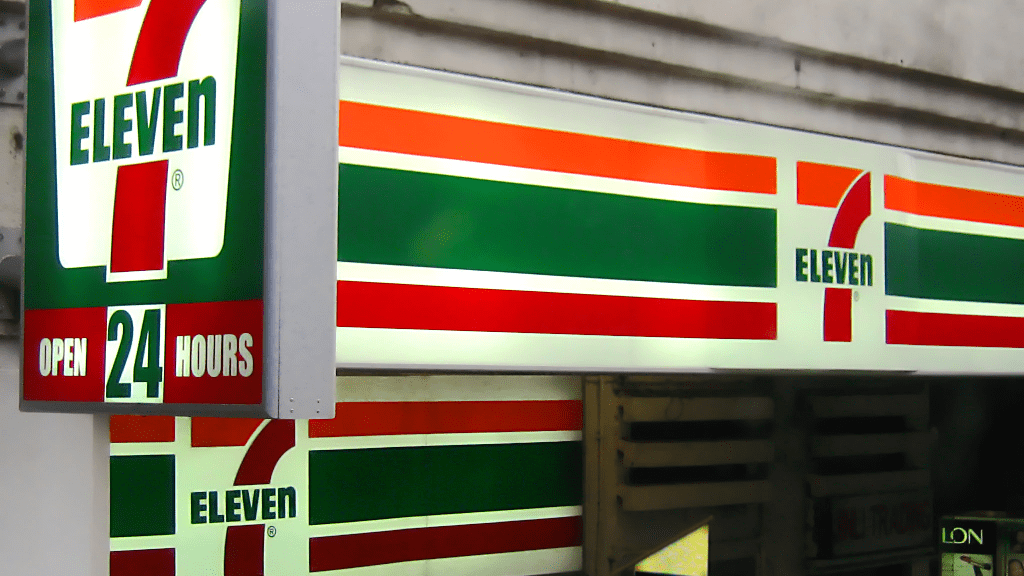
The Japanese parent company of 7-Eleven, Seven & i Holdings, has declined a $38 billion takeover offer from Alimentation Couche-Tard (ACT), a Canadian convenience store giant. In a letter to the prospective buyer, Seven & i Holdings explained that ACT’s offer “grossly” undervalued the company and came with substantial regulatory risks. Despite the rejection, Seven & i Holdings remains open to further negotiations if a more suitable offer is presented.

If the deal were to succeed, it would result in a global convenience store giant with over 100,000 outlets. Currently, ACT operates around 17,000 stores across North America, Europe, and Asia under its Circle K and Couche-Tard brands. A successful acquisition would more than double ACT’s footprint in North America, adding 7-Eleven’s significant presence to its portfolio.
The buyout proposal valued Seven & i Holdings at $14.86 per share, representing more than a 20% premium over its share price before the offer was disclosed. However, this offer was made at a time when the Japanese yen was weak compared to the US dollar, making Seven & i more attractive to foreign buyers.
Seven & i Holdings also raised concerns about the deal’s viability, particularly citing US competition regulators as a significant obstacle. If the acquisition were to move forward, it would be the first time a Japanese company of this magnitude would be purchased by a foreign entity. Traditionally, Japanese firms have been the ones to acquire overseas businesses, not the other way around.
The Japanese government has emphasized the importance of safeguarding national assets like Seven & i Holdings. According to experts like Neil Newman from Astris Advisory Japan, if this deal were to succeed, it could indicate that Japan is open to foreign investment and acquisitions. However, the process is expected to be long and complex due to regulatory challenges and national interests.

Advantages of the Buyout
- Global Expansion: The deal would create a 100,000-strong convenience store empire, strengthening both companies’ global presence.
- Increased Market Share: The merger would significantly increase ACT’s footprint, especially in North America, by incorporating 7-Eleven’s vast network.
- Economies of Scale: The buyout would allow the combined entity to leverage economies of scale, leading to cost savings and potentially higher profitability.
- Cross-Border Synergies: The integration could create operational synergies by combining expertise and expanding product offerings across different markets.
- Investor Confidence: If successful, the deal could boost investor confidence in Japan’s willingness to engage in global business and foreign investment.

Disadvantages of the Buyout
- Regulatory Risks: The deal would face significant regulatory scrutiny, especially from US competition authorities, which could delay or even prevent the acquisition.
- Cultural Barriers: A large-scale acquisition like this may encounter cultural differences in management and operations, complicating the integration process.
- Financial Burden: The $38bn price tag could place a substantial financial strain on ACT, especially if post-merger synergies take longer to realize.
- National Interests: Japan may resist the sale of one of its major national assets to a foreign entity, complicating negotiations and possibly driving up costs.
- Currency Risks: The weaker yen could make the deal more attractive now, but currency fluctuations could pose long-term financial challenges.

Conclusion
Seven & i Holdings’ decision to reject the $38bn buyout offer from Alimentation Couche-Tard underscores the complexity and risks involved in the deal. While the acquisition could create one of the world’s largest convenience store chains, the offer was deemed too low and fraught with regulatory concerns. Although negotiations remain open, the deal would need to overcome significant hurdles, both regulatory and cultural, before it can be completed. Additionally, Japan’s stance on foreign acquisitions could shape the outcome of this high-stakes corporate battle.
FAQs
- Why did Seven & i Holdings reject the offer from Alimentation Couche-Tard?
Seven & i Holdings believed that the offer “grossly” undervalued the company and raised concerns about significant regulatory risks. - What would happen if the deal goes through?
The merger would create a global convenience store giant with over 100,000 outlets, making it one of the largest in the world. - What are the main obstacles to the buyout?
Key challenges include potential resistance from US competition regulators and concerns from Japan about selling one of its major national assets to a foreign firm. - How would the acquisition affect Alimentation Couche-Tard?
The acquisition would significantly increase ACT’s presence in North America and other markets, but it could also expose the company to cultural and regulatory hurdles. - What does this deal say about Japan’s stance on foreign acquisitions?
If the deal succeeds, it could signal that Japan is open to foreign investment and business acquisitions. However, the process is likely to be slow and complex due to the nation’s cautious approach to protecting its assets.











Post Comment