






How ‘Make in India’ Relies on Chinese Factories and Manpower: What Can the Government Do?
Contents
Indian Manufacturing
How ‘Make in India’ Relies on Chinese Factories and Manpower: What Can the Government Do?
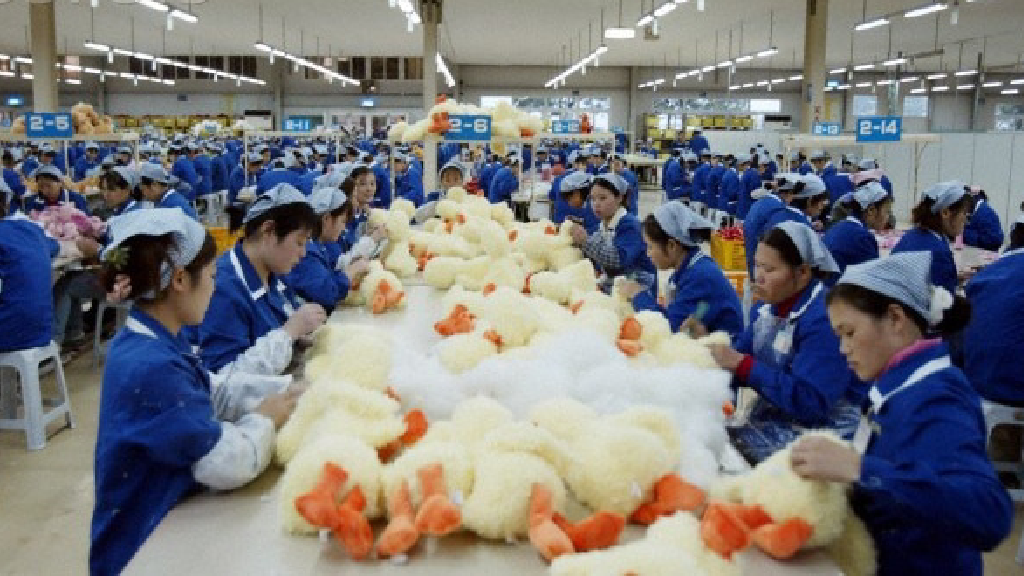
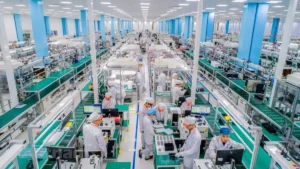
The “Make in India” initiative, launched by Prime Minister Narendra Modi in 2014, aims to transform India into a global manufacturing hub by enhancing domestic production and reducing reliance on imports. However, the success of this flagship program is intricately linked to China’s manufacturing prowess, creating a policy dilemma for the Indian government. Despite the Modi administration’s efforts to limit imports from China through tariff hikes and quality control measures, India’s dependence on Chinese machinery, raw materials, and skilled manpower remains significant, especially in the context of the Production-Linked Incentive (PLI) scheme.
The PLI Scheme and Reliance on China
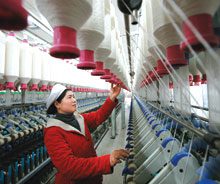
The PLI scheme, introduced in the 2021-22 budget with a significant outlay of Rs 1.97 lakh crore, aims to boost domestic manufacturing in 14 key sectors, including electronics, steel, and solar photovoltaic (PV) modules. However, the implementation of this scheme has highlighted India’s continued reliance on China, particularly for advanced machinery and technical expertise.
For instance, Indian steel companies, which have committed substantial investments under the PLI scheme, are facing challenges in sourcing machinery from China and obtaining visas for Chinese experts. This reliance on Chinese imports and personnel is seen across various sectors, from solar energy to infrastructure projects, where Chinese expertise and equipment are indispensable.
The Challenge of Decoupling from China
India’s dependence on China is not just limited to machinery and technical know-how. China’s share in India’s industrial product imports has steadily increased, with electronics, telecom, and electrical products being the most significant contributors. Despite efforts to boost domestic manufacturing, India’s trade deficit with China continues to widen, reflecting the challenges of decoupling from China’s vast and competitive manufacturing ecosystem.
The Modi government has made some strides in reducing dependency, such as setting up online portals to fast-track visas for Chinese technicians and easing restrictions on Chinese workers in critical sectors. However, these measures underscore the difficulties India faces in achieving self-reliance without relying on Chinese inputs in the short term.
Risks and Strategic Considerations
The reliance on China for the success of the “Make in India” initiative poses several risks, particularly in the context of geopolitical tensions between the two nations. The Galwan Valley clashes in 2020 marked a turning point in India-China relations, leading to stricter foreign direct investment (FDI) policies and a ban on several Chinese apps.
However, some experts argue that India’s increasing imports from China are a temporary measure to boost domestic manufacturing, which could eventually reduce dependency. Yet, this approach carries long-term risks, including supply chain vulnerabilities and the potential undermining of India’s strategic autonomy.
Industry Response and Government Strategy
Indian industry, while recognizing the need to reduce dependence on China, has also highlighted the challenges of doing so. For example, the Confederation of Indian Industry (CII) has called for government support to mitigate cost disadvantages in the electronics sector, where reliance on Chinese imports remains high.
The Indian government appears to be gradually accepting the need for Chinese inputs to achieve the broader goals of the PLI scheme. While public statements from ministers emphasize the importance of curbing cheap imports, there is an acknowledgment that China’s involvement may be necessary to make the PLI scheme more successful across various sectors.
Advantages
- Boost to Domestic Manufacturing:
- The ‘Make in India’ initiative encourages local production, which can lead to job creation, increased GDP, and a stronger manufacturing sector.
- Long-term Economic Growth:
- By fostering a robust manufacturing base, India can achieve sustainable economic growth and reduce its trade deficit.
- Atmanirbhar Bharat Vision:
- The initiative aligns with the vision of making India self-reliant, reducing dependency on imports, and developing indigenous industries.
- Potential for Export Growth:
- As domestic manufacturing scales up, India could increase its exports, particularly in sectors like electronics and renewable energy.
- Encouragement of FDI:
- The PLI scheme and other incentives could attract foreign direct investment, boosting India’s industrial capabilities.
Disadvantages
- Dependency on China:
- Despite efforts to reduce reliance on Chinese imports, several critical sectors still depend heavily on Chinese machinery, raw materials, and skilled manpower.
- Geopolitical Risks:
- The reliance on China poses significant risks due to ongoing geopolitical tensions, which could disrupt supply chains and impact India’s strategic autonomy.
- Challenges in Domestic Production:
- Indian manufacturers face difficulties in scaling up production to meet the demands of the PLI scheme, particularly in sectors like steel and solar energy.
- Financial Constraints:
- The existing financial support for domestic industries may be insufficient to offset the cost disadvantages compared to Chinese imports, potentially limiting the effectiveness of the PLI scheme.
- Impact on Domestic Businesses:
- Increased imports from China, despite efforts to curb them, could undermine the competitiveness of domestic businesses and delay the achievement of self-reliance goals.
Conclusion
The “Make in India” initiative’s success is closely tied to China’s manufacturing capabilities, presenting a complex challenge for the Indian government. While efforts to reduce dependence on Chinese imports continue, the reality is that India’s manufacturing ambitions may require continued collaboration with China in the short to medium term. The key will be to strike a balance between leveraging Chinese expertise and gradually building India’s domestic capabilities to achieve true self-reliance.
FAQs
- What is the ‘Make in India’ initiative?
- The ‘Make in India’ initiative is a flagship program launched by the Narendra Modi government in September 2014 to encourage companies to manufacture their products in India and boost the nation’s manufacturing sector.
- Why does ‘Make in India’ rely on Chinese factories and manpower?
- Despite the aim of reducing dependency on imports, particularly from China, Indian industries still rely heavily on Chinese machinery, raw materials, and skilled manpower due to the lack of equivalent domestic alternatives and cost-effective solutions.
- What are the challenges faced by the ‘Make in India’ initiative?
- The initiative faces several challenges, including dependency on Chinese imports for critical sectors like electronics and steel, delays in visa clearances for Chinese technicians, and difficulties in sourcing high-quality raw materials domestically.
- How has India attempted to reduce its dependence on Chinese imports?
- India has implemented several policy measures, including tariff hikes, quality control orders, and restrictions on business ties with China, particularly following the border standoff in 2020. However, these measures have not fully eliminated the dependency on Chinese imports.
- What are the risks associated with relying on Chinese imports for ‘Make in India’?
- The primary risks include supply chain vulnerabilities, geopolitical tensions, and the long-term sustainability of domestic manufacturing. There’s also the risk of undermining India’s economic security and strategic autonomy.
- What can the Indian government do to reduce dependency on China?
- The government could focus on enhancing domestic manufacturing capabilities, providing financial support to key sectors, easing restrictions on FDI from China while maintaining adequate safeguards, and encouraging the development of indigenous technologies.
- Will India be able to reduce its reliance on China in the near future?
- While the reliance on China may decrease as domestic manufacturing picks up, it is unlikely to be entirely eliminated in the near term due to the current gaps in India’s manufacturing capabilities.












1 comment