






Indian Navy’s ₹60,000 Crore Submarine Project Gets Approval with Mazagon Dock Limited

Contents
- 1 Indian Navy submarine project
- 1.1 Indian Navy’s ₹60,000 Crore Submarine Project Gets Approval with Mazagon Dock Limited
- 1.1.1 Project 75 India: A Strategic Imperative
- 1.1.2 The Partnership with ThyssenKrupp
- 1.1.3 Technological Advancements: Air-Independent Propulsion (AIP)
- 1.1.4 India’s Advancing Naval Capabilities
- 1.1.5 Conclusion
- 1.1.6 FAQs:
- 1.1.6.1 1.What is Project 75 India?
- 1.1.6.2 2.Why is the ₹60,000 crore submarine project important?
- 1.1.6.3 3.What is Air-Independent Propulsion (AIP) technology?
- 1.1.6.4 4.Who is Mazagon Dock Limited’s partner for this project?
- 1.1.6.5 5.What is the significance of the INS Arighat in India’s naval strategy?
- 1.1.6.6 6.How does this project support India’s broader defense goals?
- 1.1.6.7 7.When will the submarines be completed?
- 1.1.6.8 8.How does AIP technology improve submarine operations?
- 1.1.6.9 9.What role does ThyssenKrupp play in this project?
- 1.1.6.10 10.What are the strategic benefits of expanding India’s submarine fleet?
- 1.2 Indian Navy submarine project
- 1.3 Jubilant FoodWorks Q1: Net Profit Skyrockets 93%, Sales Surge 45%
- 1.1 Indian Navy’s ₹60,000 Crore Submarine Project Gets Approval with Mazagon Dock Limited
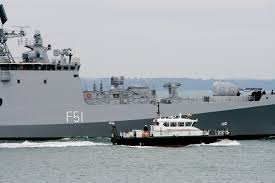
In a strategic move to bolster India’s maritime defense capabilities, the Indian Navy has given the green light to Mazagon Dock Limited (MDL) to construct six advanced submarines under the ambitious Project 75 India initiative. This ₹60,000 crore project is not just a significant boost to India’s naval prowess but also a critical step in countering the growing influence of China and Pakistan in the Indian Ocean Region.
Project 75 India: A Strategic Imperative
What is Project 75 India?
Project 75 India is a critical defense initiative aimed at enhancing the Indian Navy’s submarine fleet. The project focuses on acquiring six diesel-electric attack submarines equipped with the latest Air-Independent Propulsion (AIP) technology. This will allow these submarines to stay submerged for extended periods, significantly enhancing their stealth and operational capabilities.
Why is this Project Important?
The increasing presence of China and Pakistan in the Indian Ocean has necessitated a robust response from India. By expanding its submarine fleet with advanced AIP-equipped vessels, India is positioning itself to better monitor and control strategic maritime zones. This project not only strengthens national security but also supports technological advancements within the country’s defense sector.

The Partnership with ThyssenKrupp
MDL has partnered with Germany’s ThyssenKrupp, a global leader in submarine technology, to execute this project. This collaboration brings together India’s manufacturing expertise and Germany’s cutting-edge submarine technology, ensuring that the submarines meet the highest standards of quality and performance.
Competition and Strategic Goals
MDL and ThyssenKrupp’s partnership was selected over competing bids from Larsen & Toubro and Navantia, reflecting the Indian government’s focus on enhancing public sector units. This decision aligns with India’s broader goals of job creation, technology transfer, and self-reliance in defense manufacturing.

Technological Advancements: Air-Independent Propulsion (AIP)
The submarines to be built under Project 75 India will feature Air-Independent Propulsion (AIP) systems. This technology allows submarines to operate underwater for longer durations without surfacing, providing a strategic advantage in stealth operations.
Benefits of AIP Technology
- Enhanced Stealth: AIP systems reduce the need for frequent surfacing, making submarines harder to detect.
- Increased Endurance: Submarines can operate for extended periods underwater, allowing for longer missions.
- Operational Efficiency: With reduced dependency on oxygen, AIP submarines can maintain operational readiness in critical situations.
The Role of INS Arighat
While Project 75 India focuses on diesel-electric submarines, India’s nuclear submarine program is also progressing. The INS Arighat, India’s second indigenously built nuclear-powered ballistic missile submarine (SSBN), is nearing completion. Currently in the final stages of trials and upgrades, the INS Arighat is expected to be commissioned into service within the next two months.
Strategic Implications
The simultaneous development of conventional and nuclear submarines reflects India’s commitment to building a versatile and powerful navy. These advancements ensure that India can effectively protect its maritime interests and maintain a strategic balance in the region.
Conclusion
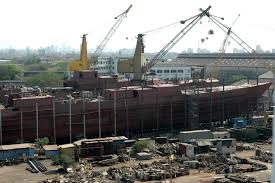
The Indian Navy’s approval of the ₹60,000 crore submarine project under Project 75 India marks a significant milestone in India’s defense strategy. By partnering with ThyssenKrupp and focusing on cutting-edge AIP technology, India is set to enhance its maritime capabilities and strengthen its position in the Indian Ocean Region. Indian Navy submarine project, As the country continues to advance its naval prowess, these developments will play a crucial role in ensuring national security and promoting technological innovation.
FAQs:
1.What is Project 75 India?
A. Project 75 India is a defense initiative aimed at acquiring six advanced diesel-electric submarines with Air-Independent Propulsion (AIP) technology to enhance India’s naval capabilities.
2.Why is the ₹60,000 crore submarine project important?
A. The project is crucial for countering the growing influence of China and Pakistan in the Indian Ocean Region and strengthening India’s maritime defense.
3.What is Air-Independent Propulsion (AIP) technology?
A. AIP technology allows submarines to operate underwater for longer durations without surfacing, enhancing their stealth and operational capabilities.
4.Who is Mazagon Dock Limited’s partner for this project?
A. MDL has partnered with Germany’s ThyssenKrupp, a leading global provider of submarine technology, for this project.
The INS Arighat is India’s second nuclear-powered ballistic missile submarine, enhancing the country’s strategic deterrence and naval capabilities.
6.How does this project support India’s broader defense goals?
A. The project aligns with India’s goals of self-reliance in defense manufacturing, job creation, and technological advancement in the public sector.
7.When will the submarines be completed?
A. The submarines under Project 75 India are expected to be completed within the next few years, with each unit featuring advanced AIP technology.
8.How does AIP technology improve submarine operations?
A. AIP technology reduces the need for submarines to surface frequently, increasing their stealth and operational endurance during missions.
9.What role does ThyssenKrupp play in this project?
A. ThyssenKrupp provides the submarine technology and expertise necessary to build the advanced AIP-equipped submarines for the Indian Navy.
10.What are the strategic benefits of expanding India’s submarine fleet?
A. Expanding the submarine fleet enhances India’s ability to monitor and control strategic maritime zones, ensuring national security and regional stability.













2 comments