






Tesla Analyst Nearly Crashes While Using Full Self-Driving: A Detailed Analysis
Contents
Tesla Full Self-Driving Analyst experience
Tesla Analyst Nearly Crashes While Using Full Self-Driving: A Detailed Analysis
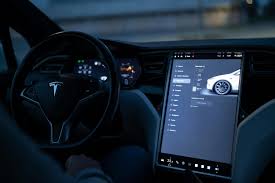
- Background: Elon Musk, CEO of Tesla, has been promoting the company’s Full Self-Driving (FSD) system during earnings calls, suggesting that investors need to experience it to understand its potential.
- Incident: William Stein, an analyst at Truist Securities with a hold rating on Tesla’s stock, decided to test Tesla’s FSD system based on Musk’s recommendation. During his test drive, Stein narrowly avoided an accident when the Model Y accelerated through an intersection unsafely.
- Test Drive Details:
- Situation: Stein experienced a critical situation where the car’s system failed to handle a partially completed right turn by another vehicle. Quick intervention was required to avoid a collision.
- Experience: Stein reported that the system’s permissiveness allowed him to take his eyes off the road, leading to delayed warnings when he was not actively monitoring the vehicle.
- Previous Test Drives: Stein had tested the FSD system earlier and found it “stunningly good” but not fully useful. The recent test was deemed “no better, arguably worse,” highlighting continued concerns about the system’s readiness for full autonomy.
- System Limitations: Stein noted several issues, including improper lane changes and difficulty responding to real-world scenarios like police signals and lane closures.
- Tesla’s Response: Tesla has deployed an updated version of FSD but has clarified that it does not make the vehicle fully autonomous. Musk’s focus on FSD is part of a broader push to enhance Tesla’s AI capabilities amid slowing EV sales.
Advantages and Disadvantages
Advantages:
- Real-World Testing: Provides a firsthand account of how Tesla’s FSD system performs in real-world driving scenarios, offering valuable insights for consumers and investors.
- Transparency: Highlights both the strengths and weaknesses of the FSD system, contributing to a more informed understanding of its current capabilities and limitations.
- Encourages Improvement: By exposing issues with the FSD system, the content underscores the need for continuous refinement, potentially accelerating advancements in autonomous driving technology.
- Informed Decisions: Offers investors and consumers a clearer picture of Tesla’s technology, aiding in more informed decision-making regarding investments and vehicle purchases.
Disadvantages:
- Safety Concerns: The reported incident involving a near-crash raises serious safety concerns about the current state of Tesla’s FSD system, potentially deterring consumers from relying on it.
- Mixed Messages: The contrast between Tesla’s optimistic projections and the real-world performance of FSD could lead to confusion or skepticism about the system’s true capabilities.
- Impact on Stock: Negative reports and incidents related to Tesla’s technology could affect investor confidence and impact Tesla’s stock price, adding volatility to market perceptions.
- Delayed Expectations: The ongoing challenges with FSD could lead to delays in achieving full autonomy, potentially disappointing stakeholders who are eagerly anticipating fully autonomous vehicles.
Conclusion
Tesla’s Full Self-Driving (FSD) system, while advanced and impressive in certain aspects, is still not fully autonomous and requires significant improvements. The recent experience of Truist Securities analyst William Stein underscores the system’s limitations and the critical need for further development. Despite some advancements, FSD’s current iteration does not meet the standards for complete autonomy and presents challenges that need to be addressed before it can be deemed reliable for everyday use.
FAQs
- What is Tesla’s Full Self-Driving (FSD) system?
- Tesla’s FSD system is an advanced driver-assistance feature designed to handle various driving tasks with minimal human intervention. It aims to achieve full vehicle autonomy, though it currently does not make the vehicle fully autonomous.
- What issues did the analyst encounter with the FSD system?
- The analyst, William Stein, faced issues such as the car accelerating unsafely through an intersection, improper lane changes, and delayed warnings when not actively monitoring the road.
- How does Tesla’s FSD system compare to previous versions?
- While improvements have been made, the system still falls short of achieving full autonomy. The recent version tested by Stein was deemed to have mixed results, showing advancements but also significant limitations.
- What are Tesla’s plans for the FSD system?
- Tesla continues to update and refine the FSD system as part of its broader AI and autonomous vehicle strategy. The company is focused on enhancing the system’s capabilities and preparing for future advancements.
- How does this incident affect Tesla’s stock and investor confidence?
- The incident may raise concerns among investors about the readiness of Tesla’s FSD technology and could impact confidence in the company’s claims about vehicle autonomy.







2 comments