






IDBI Bank’s Share Price Surges 6% on RBI’s ‘Fit and Proper’ Report
Contents
- 1 RBI fit and proper report
- 1.1 IDBI Bank’s Share Price Surges 6% on RBI’s ‘Fit and Proper’ Report
- 1.1.1 Privatization Progress
- 1.1.2 Stake Sale Details
- 1.1.3 Bidders’ Requirements
- 1.1.4 Financial Performance Update
- 1.1.5 Strategic Implications
- 1.1.6 Market Reaction
- 1.1.7 Challenges Ahead
- 1.1.8 Conclusion:
- 1.1.9 FAQS:
- 1.1.10 RBI fit and proper report
- 1.1.11 Godrej Storage Solutions Expands with New Chennai Plant and International Foray
- 1.1 IDBI Bank’s Share Price Surges 6% on RBI’s ‘Fit and Proper’ Report
RBI fit and proper report
IDBI Bank experienced a notable surge of nearly 6% in its share price to Rs 93 following a pivotal update from the Reserve Bank of India (RBI) on July 18. The central bank issued a comprehensive ‘fit and proper’ report on potential bidders, marking a crucial milestone in IDBI Bank’s long-anticipated privatization journey.
Privatization Progress
IDBI Bank has been on the path to privatization for several years, and the recent update from the RBI has garnered keen interest from market observers. The ‘fit and proper’ evaluation ensures that bidders meet stringent criteria, qualifying them to proceed to the next phase of the privatization process. This step is crucial as it provides transparency and confidence to investors and stakeholders, signaling methodical progress in the bank’s privatization efforts.
Stake Sale Details
Currently, the central government holds a 45.5% stake in IDBI Bank, with Life Insurance Corporation (LIC) as the largest shareholder owning over 49% of the bank’s shares. The privatization plan aims to divest 60.7% of IDBI Bank, including the government’s 30.5% stake and LIC’s 30.2% holding. This substantial stake sale is expected to attract a wide range of bidders from various sectors, both domestic and international.
Bidders’ Requirements
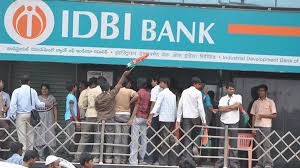
Qualified bidders must meet stringent criteria set by the RBI, including a minimum net worth of Rs 22,500 crore and profitability in at least three of the past five years. This ensures that only financially robust entities are considered, critical for maintaining the bank’s operational integrity post-privatization. Bidding consortia can comprise up to four members, offering flexibility for strategic alliances. The successful bidder must commit to locking in a minimum of 40% equity capital for five years, ensuring a steadfast commitment to the bank’s growth and stability.
Financial Performance Update
IDBI Bank’s recent financial performance has been robust, bolstering investor confidence. In Q1FY25, the bank reported a 13% year-on-year increase in total deposits to Rs 2.7 lakh crore and a 17% rise in net advances to Rs 1.9 lakh crore. These figures underscore the bank’s solid financial footing and growth trajectory. Moreover, IDBI Bank’s stock has outperformed significantly this year, surging 33% compared to the Nifty 50’s 12% rise, reaching a peak of Rs 98 per share in February 2024, reflecting strong market confidence in the bank’s future prospects.
Strategic Implications
The RBI’s ‘fit and proper’ report plays a pivotal role in IDBI Bank’s privatization strategy, laying the groundwork for subsequent phases and assuring investors of rigorous bidder evaluation. This transparency is expected to attract serious bidders, enhancing the likelihood of a successful and beneficial privatization outcome.
Market Reaction
The market’s positive response to the RBI’s report is evident from the significant surge in IDBI Bank’s share price. Investors are optimistic about the prospects of privatization, anticipating enhanced efficiency, governance, and shareholder value post-privatization. The rise in share price also reflects broader market confidence that the bank is making strides towards achieving its privatization objectives.
Challenges Ahead
Despite positive developments, challenges remain in navigating regulatory approvals and managing the integration of a large public sector bank post-privatization. However, IDBI Bank’s robust financial performance and clear roadmap outlined by the RBI position it favorably to address these challenges and achieve successful privatization.

Conclusion:












Post Comment